
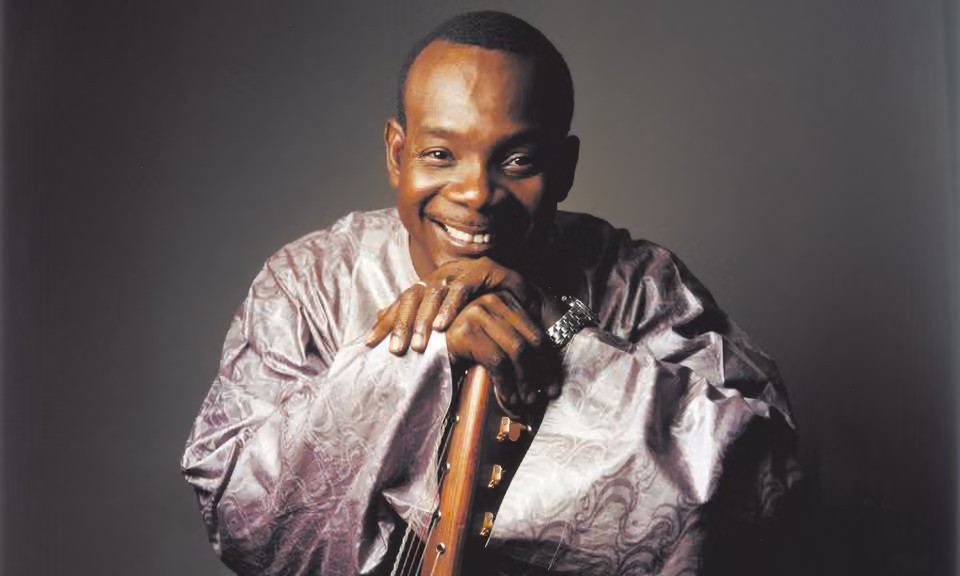
The word “fusion” was an insult to Toumani Diabaté. Throughout his life, the maestro of the kora, the 21-string West African harp-lute, rejected the term with a polite but steely firmness. “Fusion means confusion,” he often told interviewers, his voice low-pitched gravel, possessed of a gravity that seemed to pull the room toward him. “I don’t do fusion. I do a meeting. When you meet someone, you talk to them. You don’t become them.”
This distinction is the key to unlocking the strange, sprawling, and intimidatingly beautiful world of Toumani Diabaté. To the uninitiated Western ear, his discography might look like a series of ‘world music’ experiments: here he is with a Spanish flamenco band; here with an American bluesman; here with Björk; here with the London Symphony Orchestra. But to view his work as a collection of eclectic jams is to fundamentally misunderstand his project. Diabaté was not a tourist in these genres. He was a diplomat. He believed that the Mande musical system, a tradition older than Europe’s Baroque period which produced Bach, codified in the court of the Mali Empire, was a universal language. He didn’t play with flamenco guitarists to create something new; he played with them to reveal that the Andalusian scales were already African, separated only by the Strait of Gibraltar and seven centuries of history.
Born in Bamako in 1965, Toumani inherited a burden that would have crushed a lesser artist. He was a jali, or griot, of the 71st generation. His father, Sidiki Diabaté – born in Gambia before returning to the ancestral homeland of Mali – was commonly hailed “king of the kora” and his music reflected this, carrying a strong nationalist message. Some of his songs were banned by the colonial French government but became synonymous with and the soundtrack to Malian independence; finally, in 1970, along with Djelimady Sissoko he made what is reputedly the first ever album of unaccompanied kora music, Cordes Anciennes, or ‘ancient strings’. In Mande culture, the jeli is not merely a musician; he is the archive, the library, the conscience of the king, and the memory of the people. “Without us,” Toumani Diabaté said, “names would die.”
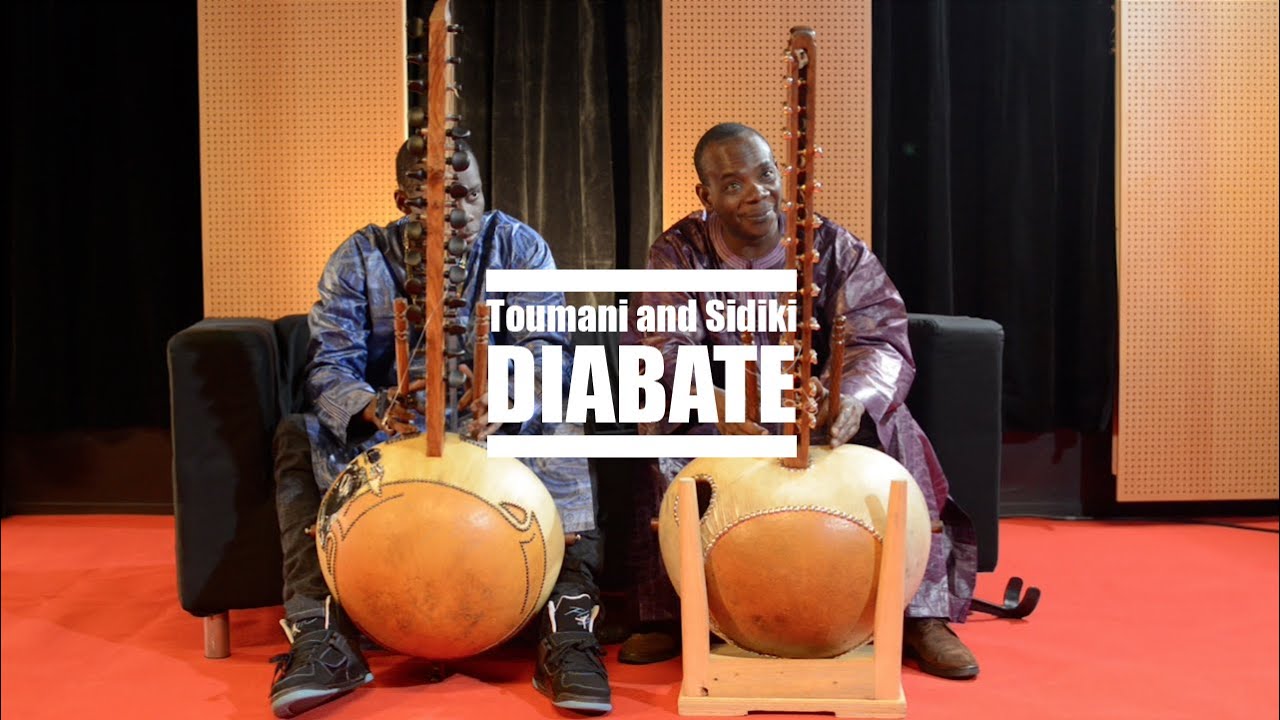
Yet, despite the weight of family tradition and influence behind him – or perhaps because of it – Toumani Diabaté was a modernist. He understood that for the archive to survive, it had to breathe. While he could recite ‘The Epic’ of Sundiata Keita – the prince and founder of the Malian Empire – with the requisite gravitas, he was also listening to Otis Redding, Jimi Hendrix, and Pink Floyd. He realised that the kora, a large calabash gourd cut in half, covered in cow skin, and bridged with a notched hardwood neck, was technically capable of mimicking the dense polyphony of a piano or a (polyphonic) synthesizer. He developed a technique of three-part independent movement: a thumbed bassline (the past), a rhythmic accompaniment (the present), and a flourishing solo improvisation (the future), which could be played simultaneously.
Before his death in 2024, he produced a discography of staggering depth. There are the austere, spiritual solo albums that sound like prayer; the raucous, horn-heavy big band records made with his Symmetric Orchestra; and the intimate, dusty dialogues with his friend Ali Farka Touré. With Chrysalis finally pressing his 1995 chamber-masterpiece Djelika on vinyl, the time is right to map the topography of his career.
He did not just play the kora. He liberated it from the museum. He proved that a tradition is not a fortress to be defended, but a road to be traveled. As he once noted, “The kora is like a computer. We have a lot of information in the computer, but we have to know how to get it out.”
Here are ten entry points into the computer-like instrument of Toumani Diabaté.
‘Alla L’aa Ke’ from Kaira (1988)
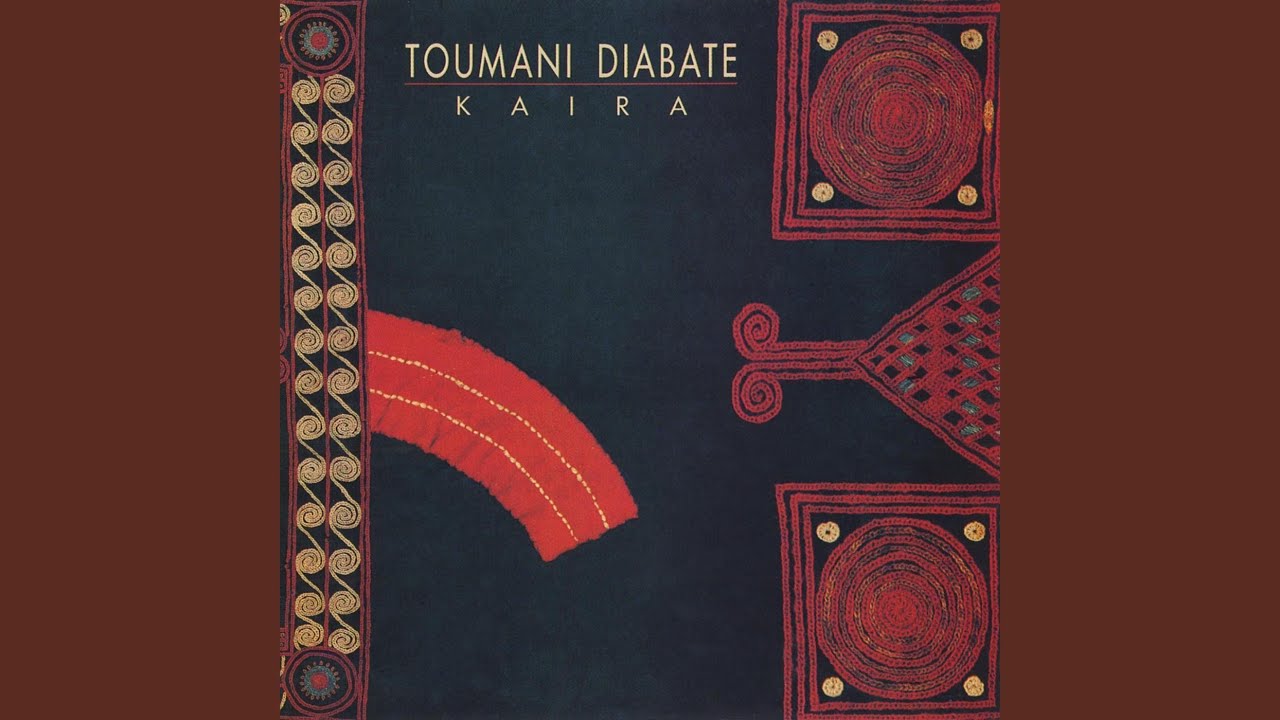
In 1988, the concept of a solo kora album was viewed with skepticism even in Mali. The instrument was an accompanist, a bed for the human voice. To strip away the singer was to remove the content from the form. But a 23-year-old Toumani Diabaté, urged on by producer Lucy Durán, sat in a cold studio in London and recorded Kaira in a single afternoon. ‘Alla L’aa Ke’ (God Has Done It) is the “Year Zero” for modern kora music. Listen to the opening. There is no hesitation. The bassline, played with the left thumb, is heavy, repetitive, and funk-laden, what the Malians call the ‘kumbengo’. It anchors the track to the earth. Hovering above it are the ‘birimintingo’ runs – rapid, cascading improvisations that sparkle like broken glass. It is a solitary sound, yet it fills the stereo field completely. Toumani later said of this era, “I wanted to show that the kora can be a lead instrument, like the guitar of Hendrix.” There is a defiance in the virtuosity here. It is the sound of a young man stepping out of his father’s shadow, not by rejecting the tradition, but by playing it so well that he rendered the need for accompaniment obsolete.
Ketama, Toumani Diabaté & Danny Thompson – ‘Jarabi’ from Songhai (1988)
Released the same year as Kaira, Songhai was the counter-argument: if Toumani could stand alone, he could also sit with anyone. This collaboration with the Spanish ‘new flamenco’ group Ketama and British double-bassist Danny Thompson remains a touchstone of cross-cultural music. ‘Jarabi’ is a Mande standard about the uncontrollable nature of passion, but here it is re-contextualised as a rumba. The magic lies in the lack of translation errors. When the flamenco guitars strum their ‘rasgueado’ rhythms, Diabaté matches them with percussive triplet attacks on the kora. He isn’t mimicking them; he is showing that the griots and the Gitano Romani share a common ancestor in the court of Al-Andalus. The interplay is joyous, almost raucous. Diabaté weaves through the dense thicket of guitars with a liquid grace, his notes acting as the mortar binding the bricks together. “We didn’t speak the same language with our mouths”, he later reflected on these sessions, “but when we started to play, we knew exactly where we were going.” It remains one of the few ‘world music fusion’ albums that feels entirely organic, driven by heritage rather than marketing.
Toumani Diabaté, Basekou Kouyaté & Kélétigui Diabaté, ‘Tony Vander’ from Djelika (1995)
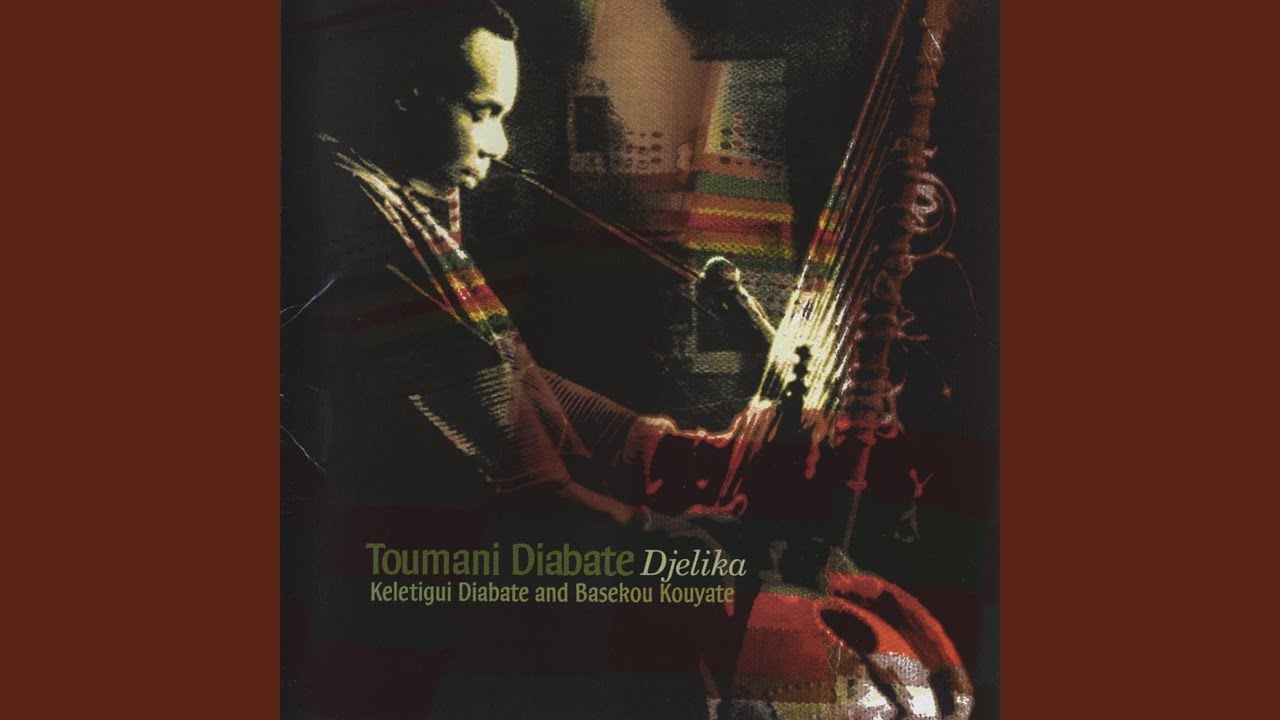
If Songhai was a wild house party, Djelika was a conversation in the parlour. Now being reissued on vinyl, this album strips the ensemble down to a “symmetric trio” of Mande virtuosos: Toumani on kora, the veteran Kélétigui Diabaté on balafon (wooden xylophone), and the firebrand Basekou Kouyaté on ngoni (lute). ‘Tony Vander’ is a masterclass in acoustic dynamics. The recording is dry and woody; you can hear the buzz of the gourds and the strike of the mallets. Toumani acts as the rhythm section here, holding a relentless groove while Keletigui, a jazz vibraphonist during the 60s, adds chromatic, shimmering runs that feel closer to a Lionel Hampton session than ancient folklore. Then comes Basekou, attacking the ngoni with the distortion and ferocity of a rock guitarist. The track is a complex lattice of polyrhythms, yet it breathes with a casual intimacy. Toumani called this “chamber music”, and he was right. It demands the same respectful listening as a string quartet, offering a view of the griot tradition that is intellectual, sophisticated, and deeply swinging.
Toumani Diabaté & Ballaké Sissoko – ‘Bi Lamban’ from New Ancient Strings (1999)
In 1970, Toumani’s father Sidiki Diabaté and Djelimady Sissoko recorded Cordes Anciennes, an album that became the Old Testament of instrumental kora. To celebrate the 30th anniversary of that recording, their sons, Toumani and Ballaké Sissoko, united for New Ancient Strings. They eschewed the studio for the Palais des Congrès in Bamako, seeking the natural reverb of its marble halls. ‘Bi Lamban’ is the result of that communion. It is music of overwhelming beauty and symmetry. Because both men were raised in the same compound – they were so-called “milk brothers” – their phrasing is nearly identical. As they play, the two koras merge into a single, 42-stringed super-instrument. One plays the rhythm while the other solos, swapping roles with a telepathic nod. The natural echo of the hall gives the recording a ghostly, timeless quality, as if the spirits of their fathers are in the room. Toumani often spoke of the responsibility of lineage: “The kora is not just an instrument. It is the transmission.” On this track, the transmission is crystal clear.
Taj Mahal & Toumani Diabaté – ‘Queen Bee’ from Kulanjan (1999)
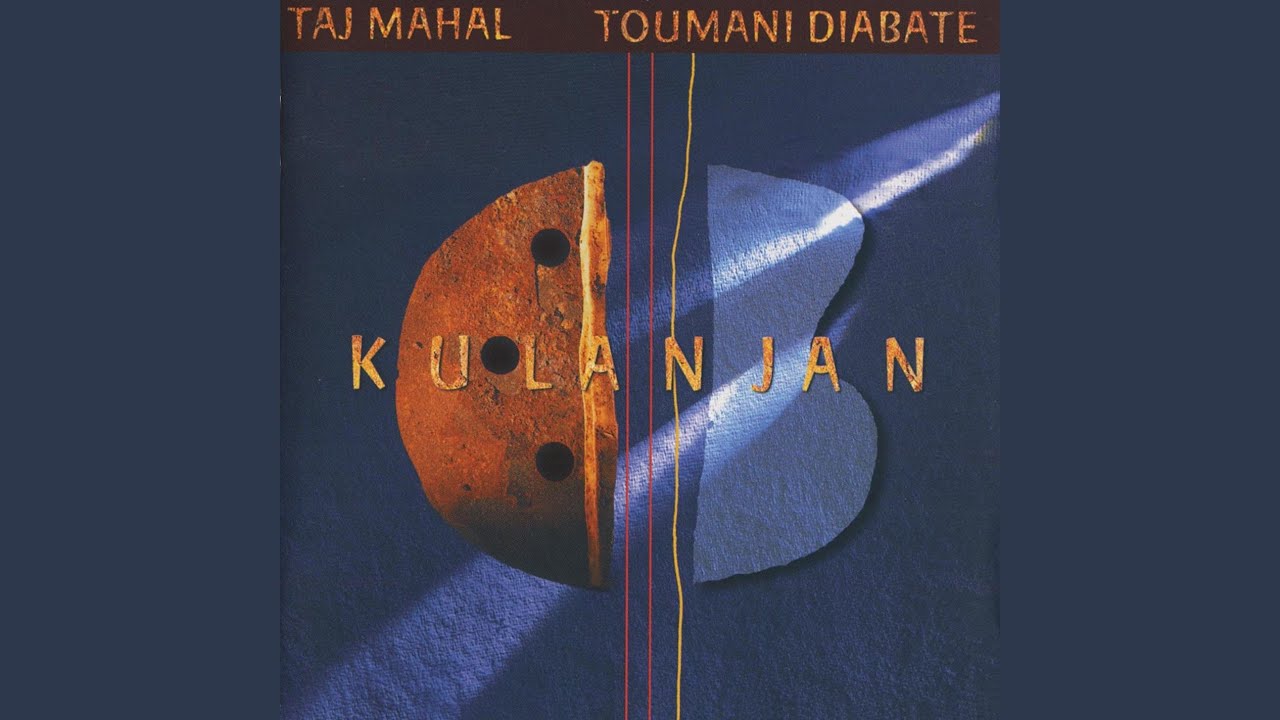
The connection between the West African griot tradition and the American blues is often intellectualized, but on Kulanjan, it is felt. Toumani teamed up with Taj Mahal, the American blues scholar and musician who had spent decades tracing the roots of his music back to the continent. On ‘Queen Bee’, a Taj Mahal original, Diabaté proves his incredible adaptability. He doesn’t force the kora into a 12-bar blues box; instead, he finds the pentatonic scales within his own tradition that match Taj’s fingerpicking. The result is a sound that feels ancient and modern simultaneously, a ‘Catfish Blues’ for the Niger River. The kora accompaniment is sparse and respectful, filling the gaps in Mahal’s vocal phrasing with delicate, harp-like flourishes. “Taj is a griot”, Diabaté said. “He just happened to be born in America.” This album remains the definitive document of the Black Atlantic musical dialogue, devoid of pretense and full of soul.
Toumani Diabaté’s Symmetric Orchestra – ‘Tapha Niang’ from Boulevard de l’Indépendance (2006)
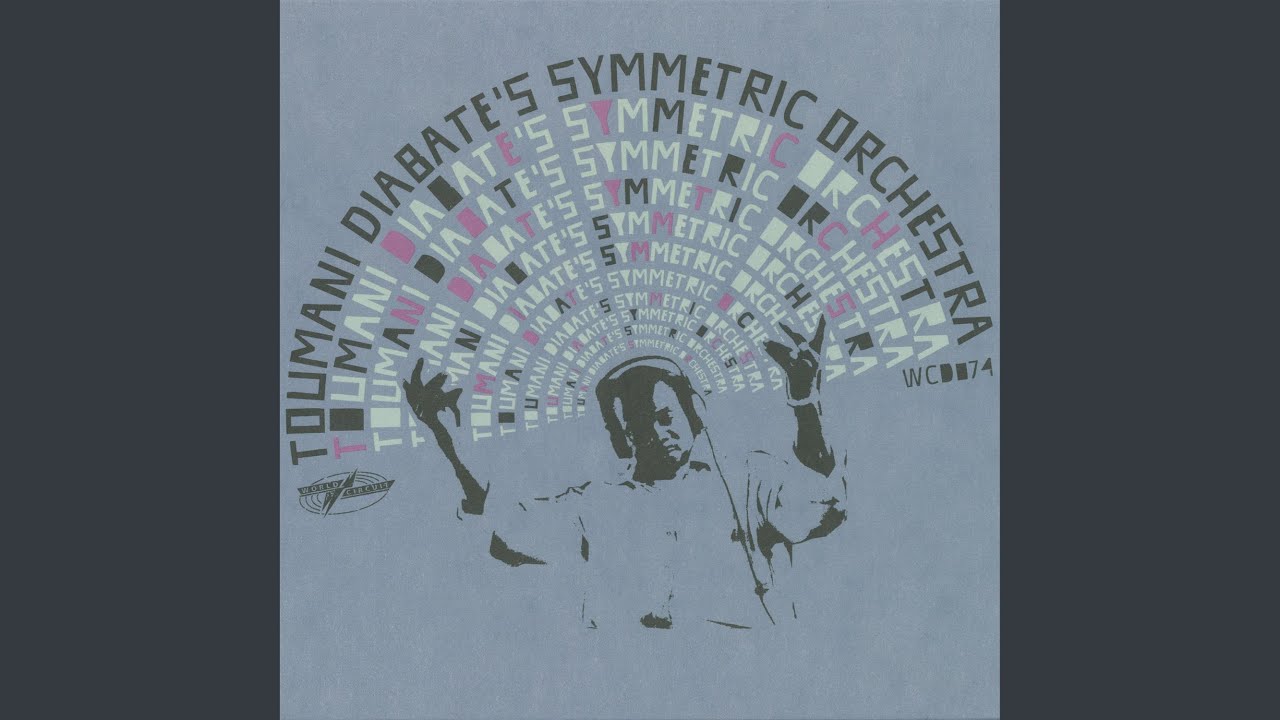
While the West loved Diabaté the soloist, back in Bamako, he was the leader of the Symmetric Orchestra, a 50-piece supergroup that played marathon Friday night sessions at the Hogon club. Boulevard de l’Indépendance is the studio manifestation of this chaotic, electric energy. ‘Tapha Niang’ is perhaps his most ambitious arrangement. A traditional funeral song for a benefactor, it is usually sombre. Here, Diabaté the bandleader reimagines it as a cinematic epic. It begins with a lonely kora but slowly builds, adding layers of strings, brass, and electric guitars until it becomes a wall of sound. It is symphonic funk, reminiscent of the lush work of Isaac Hayes or Fela Kuti, yet still distinctly Malian. “This is the Bamako of today”, Toumani asserted. “Traffic, noise, electricity, history.” It showcases his skill not just as a player, but as a conductor, capable of marshalling the full force of a modern orchestra without losing the emotional core of the griot message.
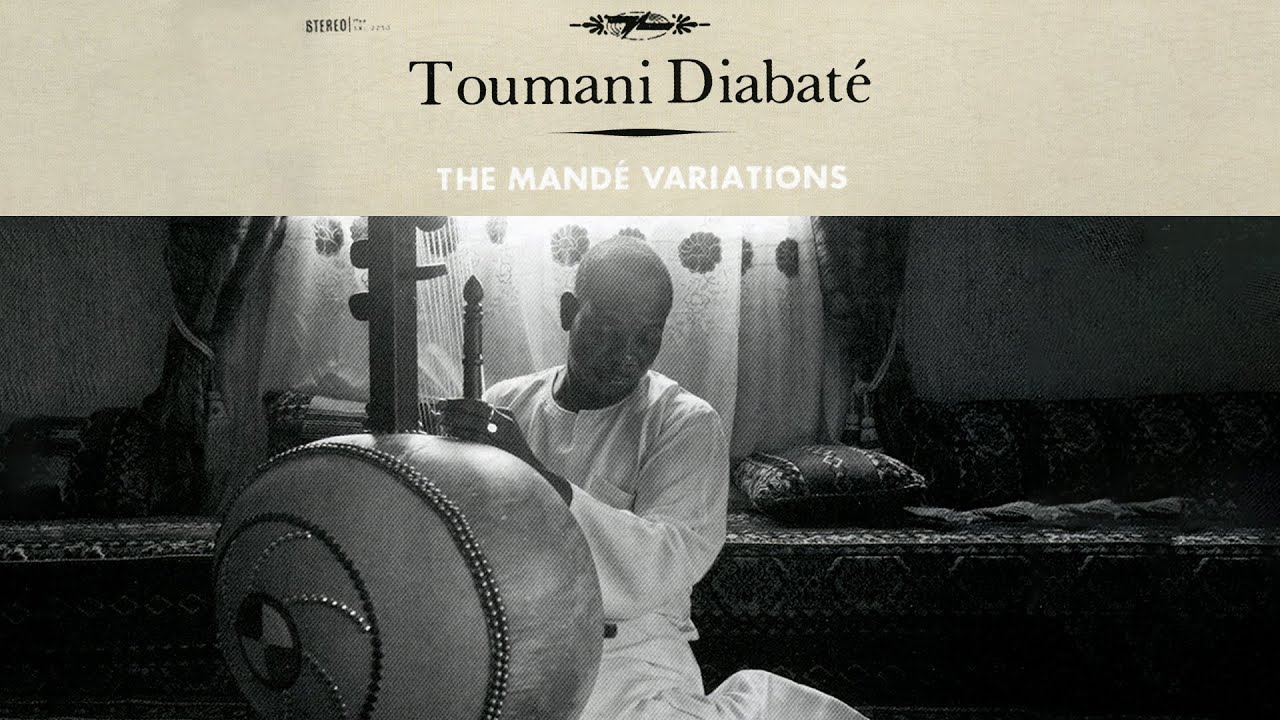
‘Cantelowes’ from The Mandé Variations (2008)
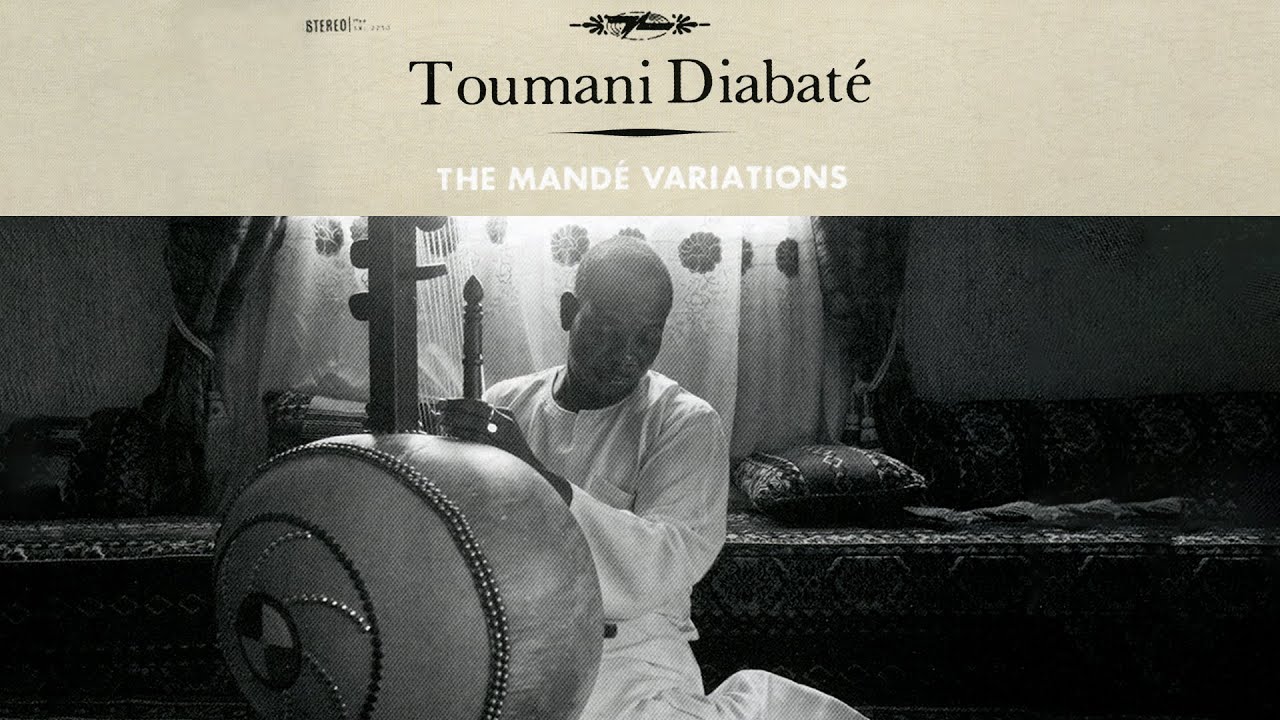
Twenty years after Kaira, Diabaté returned to the solo format with The Mandé Variations. But the man who sat down to record was changed. He had seen the world, and he wanted to push the kora to its absolute physical limit. ‘Cantelowes’ is shocking. Named after the street in Camden where he stayed, it sounds less like traditional music and more like a math-rock guitar solo. He plays a modified kora with guitar machine heads, allowing for sharper tuning and a brighter, more metallic attack. After an introduction that nods to Ennio Morricone’s ‘The Good, The Bad And The Ugly Main Theme’ riff is aggressive, frantic, and linear, abandoning the cyclical loops of tradition for a verse-chorus structure that feels Western. The virtuosity is frightening, he is playing bass, rhythm, and lead at a tempo that would make a thrasher sweat. “I wanted to show the rock & roll side of the kora,” he said. “It is not just for sleeping.” It is the sound of a master bored with perfection, breaking his own rules just to see what happens.
‘Kaounding Cissoko’ from The Mandé Variations (2008)
If ‘Cantelowes’ was the rock song, ‘Kaounding Cissoko’ is the elegy. Dedicated to the Senegalese kora player and Baaba Maal accompanist who died in 2003, this track is a marvel of emotional storytelling. It begins with a sombre, reflective introduction before bursting into a joyous, uplifting melody that celebrates the life of the departed. Technically, it is a tour de force of the ‘birimintingo’ style. Toumani’s fingers flutter over the high strings, creating a sound that mimics the falling of rain or the flight of birds. But beyond the technique, it serves as a reminder of the griot’s primary function: to remember. By naming the song after Cissoko, Diabaté ensures his friend’s name is spoken every time the track is played. “We are the needle and the thread,” he said. “We sew the past to the present.” In this track, the stitching is invisible, yet the fabric is gold.


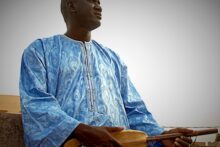

Ali Farka Touréand Toumani Diabaté – ‘Kala Djula’ from Ali & Toumani (2010)
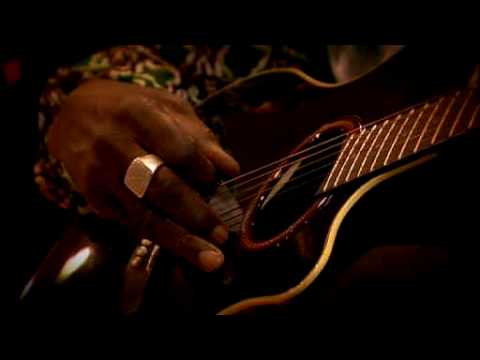
For years, a collaboration between Toumani Diabaté and Ali Farka Touré seemed inevitable yet elusive. They represented the two pillars of Malian music: the former representing the southern Mande aristocrat of the court; the latter, the northern Songhai warrior of the desert. When they finally recorded In the Heart Of The Moon in the conference room of the Hotel Mandé, the result was a Grammy-winning masterpiece of improvisation. ‘Kala Djula’, from the follow up album Ali & Toumani, captures the friction and the friendship. Touré’s guitar is earthy, drone-like, and trance-inducing, playing the “desert blues” style he helped to make famous. Over this rigid, hypnotic foundation, Diabaté’s kora acts as the water, flowing around the rocks of the guitar riffs. The contrast is stark: grace and grit. There were no rehearsals. “We didn’t need to rehearse”, Diabaté told the press. “We have known these songs for 700 years.” It is a buoyant, life-affirming track that captures the sound of two masters enjoying the view from the top of the mountain.
Ali Farka Touré and Toumani Diabaté – ‘Ruby’ from Ali And Toumani (2010)
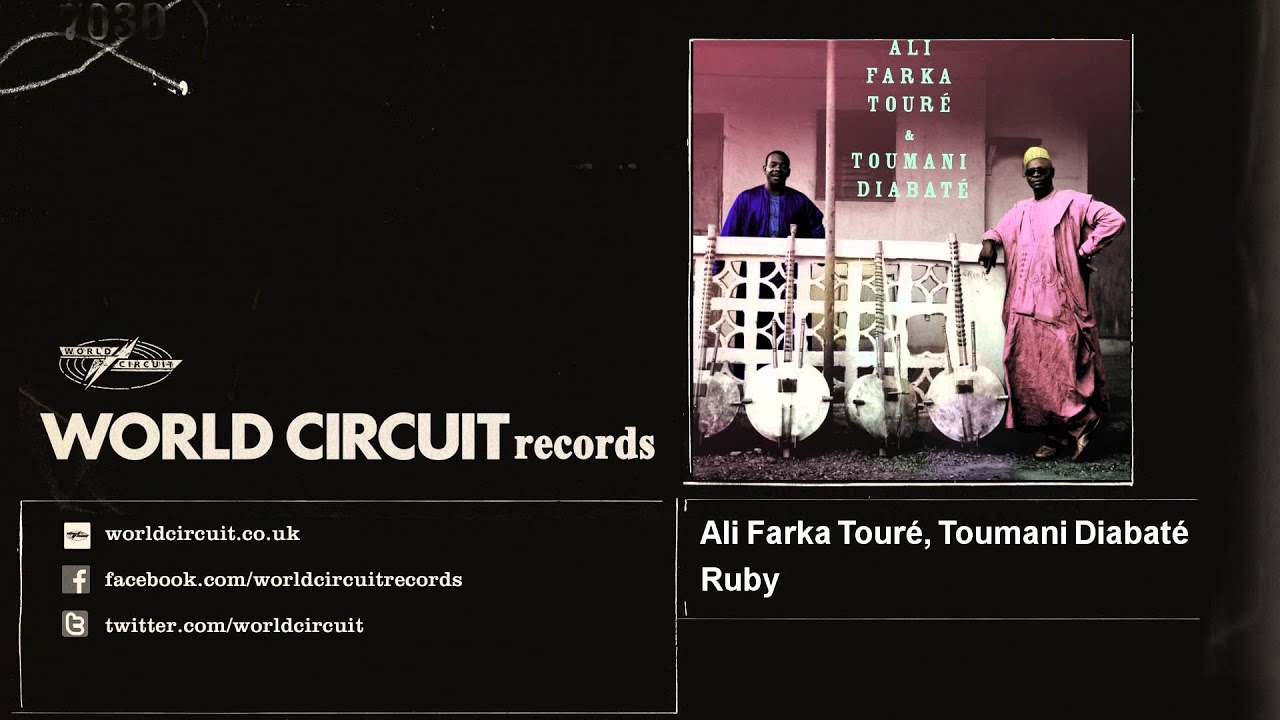
Ali & Toumani is a record haunted by death. Recorded in London while Ali Farka Touré was visibly fading due to bone cancer, the sessions were brief, quiet, and intensely emotional. Touré played through the pain, and Diabaté played to comfort him. ‘Ruby’ is the emotional gravity well of the album. The tempo is slowed to a crawl. The guitar lines are fragile, stripped of their usual driving force, hanging in the air like smoke. The kora displays a tenderness that is heartbreaking, the notes acting as a cradle for a friend’s final musical thoughts. There is a silence in this recording that is as loud as the notes, the sound of two men acknowledging the end of an era. It is not a performance; it is a eulogy delivered in real-time. Released posthumously for Touré, it stands as a monument to friendship and the communicative power of empathy.
Toumani Diabaté’s Djelika is released on Friday via Chrysalis