When Fall Heads Roll came out in 2005, nearly 30 years into their career, The Fall were finally experiencing some proper goodwill. Their longtime champion John Peel had died the previous year, marked by a characteristically unsentimental Newsnight appearance from bandleader Mark E. Smith, but the baton had already been handed off to a raft of new supporters in the media. BBC One’s Final Score started using ‘Theme From Sparta F.C.’ as its theme, BBC Four produced the first proper documentary on the band, Skinner & Baddiel inducted viewers of ITV into the band’s world, and they even played Later… With Jools Holland – on the condition that the boogie woogie host didn’t join in on the piano. They were in the critics’ good books following 2003’s The Real New Fall LP (Formerly Country On The Click) and the 2005 release of their complete Peel Sessions. Most significantly, the UK had become overrun with hot new bands like Franz Ferdinand citing The Fall as an influence. While Smith was soon threatening to sue them for sullying his good name, it fuelled a phenomenon. As Mark E. Smith observed in a Pitchfork interview: “The fans are getting younger.”
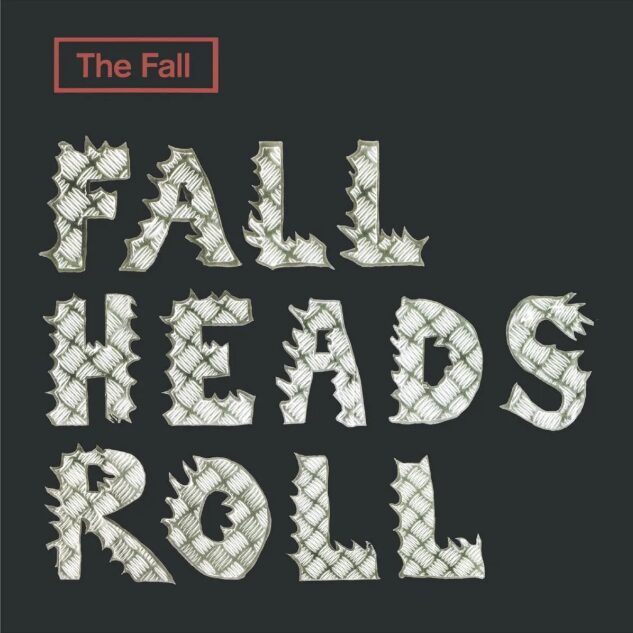
A new four CD Fall Heads Roll reissue reveals how the band met this change of fortune with an album even stronger than TRNFLPFCOTC. Complete with generous liner notes and bonus recordings, including a ‘lost record’, it also helps explain why things worked out so well. As one of their most accessible albums since the Fontana years, Fall Heads Roll has the playfulness of TRNFLPFCOTC but sounds leaner and more self-assured. Not slacking with the repetition, The Fall’s ability to write songs with punch and stamina – ‘Barmy’, ‘Wings’, ‘Cab It Up’ – was especially reliant on strong core melodies or riffs. Tracks here like ‘Assume’ and ‘Pacifying Joint’ have similarly perfect backbones, as do the early drafts from 2004’s Interim-turned-piledrivers ‘Clasp Hands’, ‘What About Us?’ and ‘Blindness’. This quality is well-served by Smith and Simon ‘Ding’ Archer’s muscular production compared to the busier TRNFLPFCOTC. Even their cover of The Move’s ‘I Can Hear The Grass Grow’ is as energised and wryly funny as their versions of The Kinks’ ‘Victoria’ and Sister Sledge’s ‘Lost In Music’.
Fall Heads Roll is also one of their better-structured albums. The synth lines in ‘Pacifying Joint’ and ‘What About Us?’ elegantly mirror each other, that gentle reprise of ‘Midnight In Aspen’ perfectly tees up the haymaker opening of ‘Blindness’, and there are grand jumps in mood like the frenetic ‘Clasp Hands’ moving into the world-weary ‘Early Days Of Channel Führer.’ “A thread of words,” Smith calls it in his memoir Renegade, holds his inscrutable lyrics together. These include time-checks and references to hubris, whether Smith is teasing it in ‘Ride Away’ or embracing his status as a “living leg-end” in ‘Blindness’ and ‘What About Us?’ Most striking are the allusions to camaraderie, from the New York trip in ‘Clasp Hands’ to the offer to “come around to your home for a cup of tea” in ‘Trust In Me’ – sung at Smith’s insistence by Archer and studio neighbours Smith had befriended.
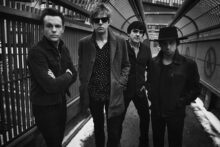
This reflects one reason Fall Heads Roll worked so well – the band were on pretty good terms. The irascible Smith was famously The Fall’s sole constant member, churning through 66 bandmates amid near constant in-fighting before their final stretch. Dave Simpson’s 2008 book on dismissed members The Fallen suggests Smith briefly softened in the early 2000s, even giving TRNFLPFCOTC drummer Dave Milner a tearful post-tantrum apology. The Fall Heads Roll lineup – keyboardist (and Smith’s wife) Eleni Poulou, guitarist Ben Pritchard, bassist/guitarist Steve Trafford, and drummer Spencer Birtwistle – benefitted from this. Smith was “in good spirits,” Archer says in the liner notes of the New York studio sessions, and apparently trusted his bandmates’ writing, telling Pitchfork “they came up with all sorts of shit that was quite good.” This helps explain the record’s sprightly, playfulness. Smith seems to stifle a chuckle towards the end of ‘Ride Away’, and gives Trafford a shout-out in ‘Clasp Hands’, calling it “Steve’s song”.
Poulou’s contributions to the liner notes also highlight the influence of the couple’s “home life,” revealing a lesser-known, softer side to Smith. They owned a cuddly toy rabbit named Günther O’Leipzig, which Poulou claims inspired the “immigrant from East Germany” in ‘What About Us?’ and the speaker in ‘Trust In Me’. A photo of the rabbit appears in the liner notes, along with a doodled news report by Smith claiming “50% of his songs were in fact written by adopted son G.O. Leipzig.” It sounds like a happy home, and a strong creative partnership, yielding songs like ‘What About Us?’, ‘Assume’ and ‘Pacifying Joint’.
Further context to Fall Heads Roll comes in the form of bonus recordings. There’s some gems here, including a Peel Session of the brilliantly strange off-cut ‘Job Search’ and the US version of ‘Blindness’, with its stronger pacing and Smith vocal performance.
Most interesting are the unreleased March 2006 sessions Smith’s bandmates recorded for a planned follow-up album. Smith dismisses them in Renegade as “a karaoke take on Fall Heads Roll,” while Trafford claims in The Fallen it would have been “miles better.” They’ve both got a point. A melodic, springy collection of plausible singles, from rockabilly track ‘Twang’ to the charming ‘Boil A Chicken’, these instrumentals could have underpinned a brighter and more youthful Fall album, capitalising on their sudden relevance. A couple ideas were reworked for Reformation Post TLC. However, tracks like ‘The Boss’ cross over into being outright twee, and it’s easy to see how Smith dismissed them.
A weaker but necessary inclusion is their 2006 Leeds Festival set, after relations collapsed during a US tour earlier that summer. According to Trafford in The Fallen, Smith began ruining the band’s dynamic with his “paranoia and general, unexplainable nastiness,” including flicking cigarettes at their driver until he ditched them in the desert. The band dissolved – save for Smith and Poulou – and new musicians were sourced to play Leeds. It’s a bit of a mess, with the band’s performances of ‘Theme From Sparta F.C.’ and ‘Mr Pharmacist’ suffering from unfamiliarity. Smith doesn’t even sing on ‘My Door Is Never’.
But if this reissue helps solidify Fall Heads Roll as a triumphant moment for The Fall, the Leeds recording confirms that it was too good to last.