

When Amy Winehouse died in July 2011, the singer’s passing was a personal tragedy that also called time on a whole era. “It was a real stark moment,” reflects The Cribs’ bassist and vocalist Gary Jarman, speaking over Zoom from his home in Portland, Oregon. “It was a real wake-up call because of how not-unexpected it was that ultimately there would be casualties from that period. Because it was so intense.”
For his twin brother, guitarist and vocalist Ryan Jarman, the shock was closer to home. “I used to hang out with her and jam sometimes,” he explains. It’s not something that they have spoken publicly about before, but he spent “late nights at her house, doing the exact same stuff that she was doing. And it seemed normal. It was completely aligned with how I lived.”
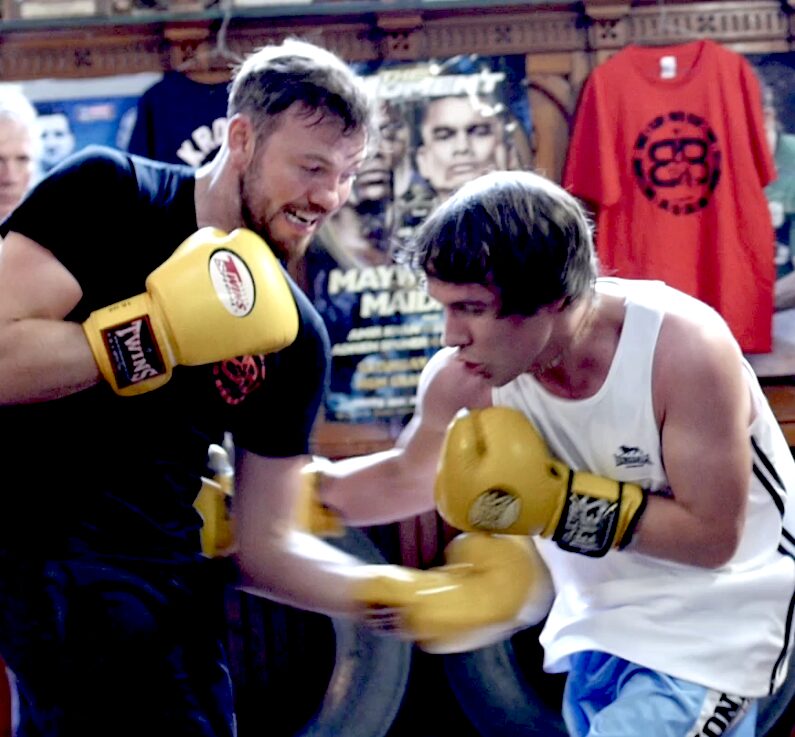
Something changed, and within months of Winehouse’s death, Gary Jarman had enrolled at a boxing gym. It was “like swapping one addiction for another,” he observes. Within a year, he was in the ring six days a week. “When you find out something that you’re good at, it’s like you’ve learnt a secret about yourself that you didn’t know.” Ryan came later. “Gary did it long before me,” says Ryan. “I was still a drug addict at that point. I wasn’t going to be doing that stuff.” But by 2018, he thought: “if I don’t try and sort myself out now, then I’m probably never going to do it, you know?”.
As they release their ninth album Selling A Vibe, two-thirds of the Wakefield band open up on the lessons that they have learnt from boxing, why the music industry deals similar blows to the combat sport, and the unexpected prevalence of Cribs fanatics in the top ranks of UK boxing.
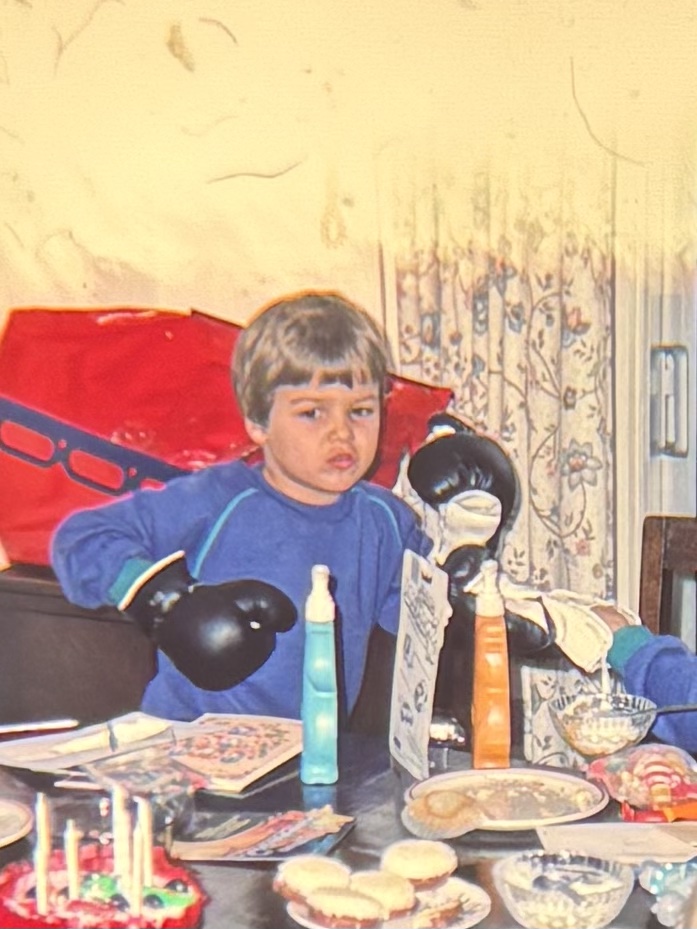
There are surprising amounts of crossover between boxing and the music industry.
Gary Jarman: You and your passion become a commodity for a business. You are utilised while you’re relevant and everything is squeezed out of you. It’s got hard ups and downs, a lot of disappointment and validation. And once you don’t serve a purpose anymore, you’re not really worth anything.
Growing up in Wakefield, music and sport were like oil and water; they didn’t go together.
Ryan Jarman: My grandparents’ generation always liked boxing so we’d watch it every Saturday night in the Eubank and Prince Naseem era. We always thought it was really glamorous. But when we got into music, you forgot about all of that. When The Cribs were first getting record company interest, it was during the 2002 World Cup in Japan and Korea, so they brought in 24 hour licensing for pubs. Carrying a guitar put a target on your back. There were a lot of physical altercations from being musicians.
When you’re a touring and recording musician, you’re very busy but your life just goes on pause.
GJ: You never progress from the age that you were. Neither me nor Ryan had any interests outside of music, we’d played classical music from seven and been in bands from 12. 2007 and 2008 were probably our busiest years. I’m not saying that we’d lost touch with reality, but the band was so consuming and the pressure was at its highest. Whenever you’re at your most visible, that’s the time you’re the most hard on yourself.
You focus so much on the lifestyle to ignore the realities of how phoney success is when you actually get there.
RJ: The only thing that has any resemblance to how you viewed being in a band as a kid is the lifestyle. It’s also the only part that you have any degree of control over. The rest is business, and it’s just as gross as anything else. So you think: I’ll live the lifestyle, and be hardcore about that, and keep the belief in that. You’re defensive of it. As a result, you just end up fucked up for 15 years.
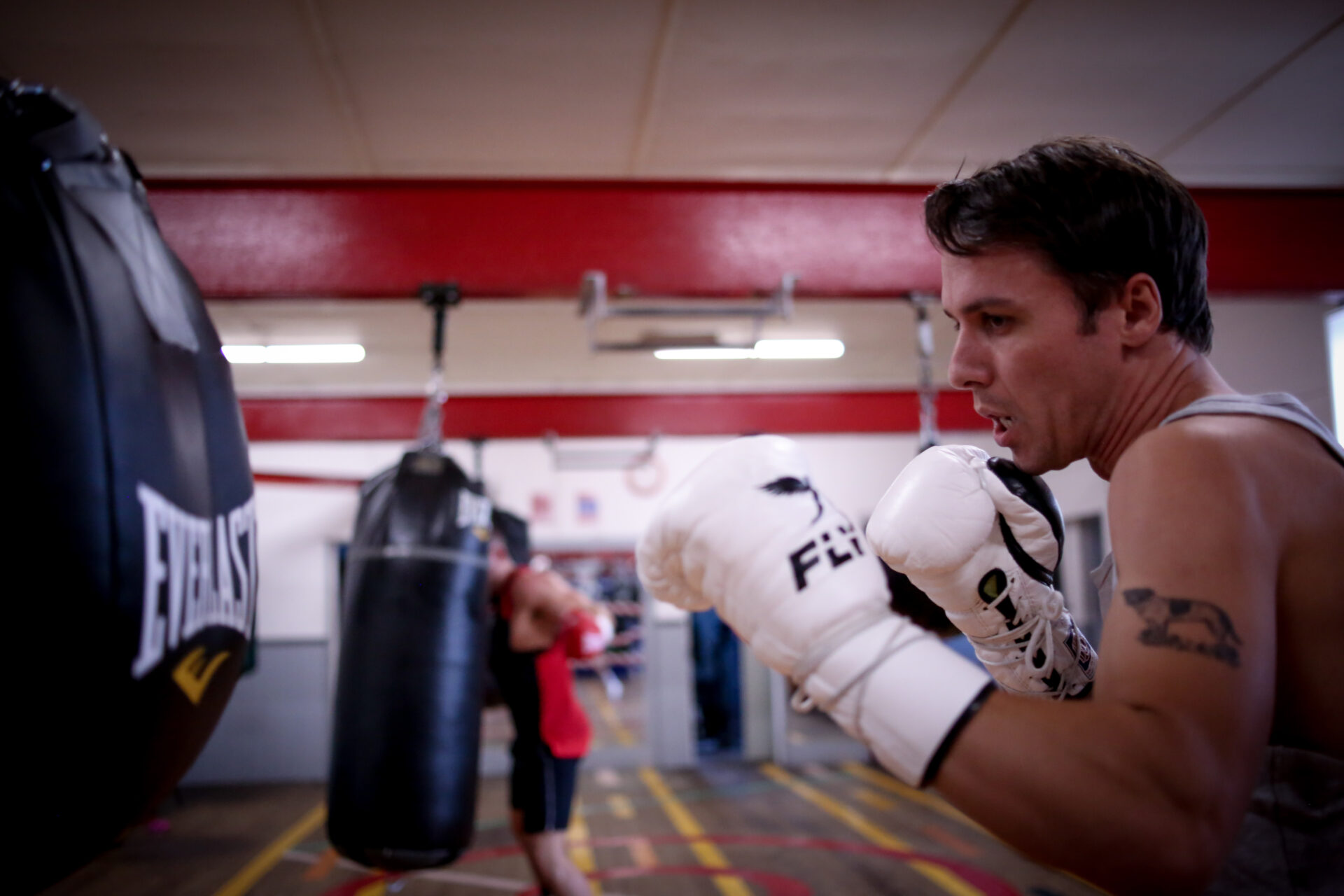
Taking up boxing was a way to atone for my lifestyle, but there was also a masochistic element to it.
GJ: There was an element of self-loathing in my life at that point. You’re under a lot of scrutiny, and you scrutinise yourself and put yourself through the wringer. I wanted to punish myself. It was a complex way that I arrived at boxing. When Johnny Marr joined the band in 2008, he was really on a health kick and encouraged us to do something like that. He’d talk to us guys about the lifestyle stuff he’d been through and why he got into running.
Coming in the next day after a tough first session is an important test.
RJ: I was throwing up during my first session. It’s a shock to your body. As your muscles break down, they dump all the lactic acid into your bloodstream, from however long you’ve been sedentary. It makes you really sick, you’re super nauseous. Coming back was indicative to them of something.
Everyone respects one another in boxing because everyone knows how hard it is.
GJ: I once trained at The Ingle Boxing Gym in Sheffield, with professional champions like Kell Brook and Kid Galahad there. I felt so nervous that they would see me as this poser, but they just love that you’re willing to put yourself in that situation. It’s very grassroots and humble. Boxing is amazing because there’s no barriers to entry. You don’t have to pay loads of money for gym memberships or gear. It’s spit and sawdust, it’s a great unifier.
We first met Andy Lee, who is Tyson Fury’s trainer and an Irish former middleweight champion, as a Cribs fan in 2009.
RJ: I was really into being with the people at shows and letting them backstage. We’d hung out in New York that night, and to me he was just a nice guy that we’d hung out with. And when me and Gary started following boxing and watching it – and we watch every fight and card these days – we’d seen a bunch of Andy’s fights. We ended up reconnecting and at that point he was WBO middleweight champion.
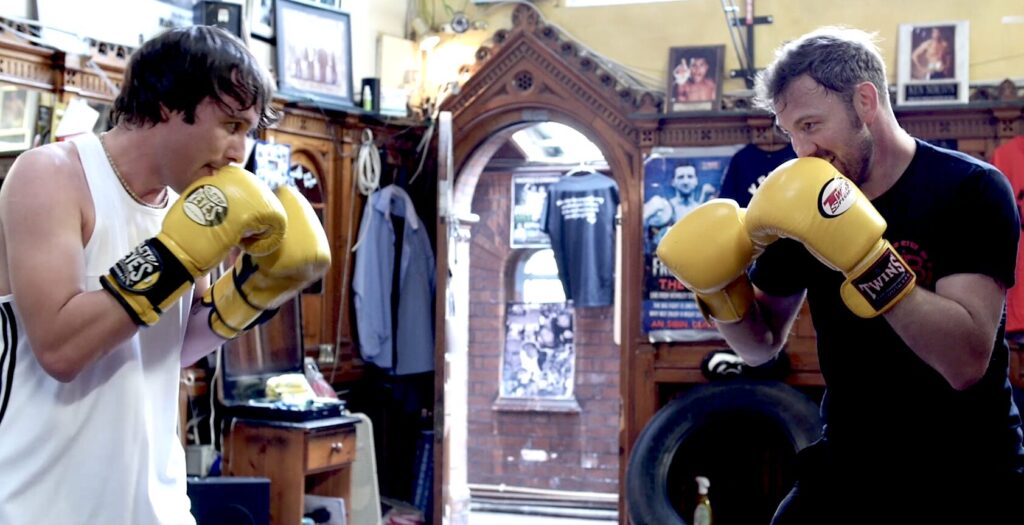
I sparred with Andy Lee while he was World Champion.
GJ: Which is obviously something to tick off the bucket list. It was at this really cool gym in Ireland. Obviously he was going light, but just how quick his brain worked, how fast his reactions were. Anything I could do was being pre-empted. I couldn’t really touch him. His body punches would lift me off the ground, which I’ve never experienced before.
Despite how huge it is, boxing is a small community.
RJ: Whenever boxers come over to New York, I end up going, so I meet loads of other people. Andy Lee was commentating on a card a while ago, and he mentioned on-air that Chris Billam Smith [former WBO cruiserweight champion] is a big Cribs fan. Now he’s a good friend. He was in New York last summer so I went down to that. We were literally set around the ringside. You realise how brutal it is. You can smell and hear it really loud.
Joining Tyson Fury’s camp in Las Vegas was one of the more intense experiences of my life.
GJ: Before he fought Deontay Wilder for the second time in 2020, I was invited to join. I was there for two days, working at the Top Rank Gym in Las Vegas. It’s really palpable how high-stakes it is, hundreds of millions of dollars on the line. The whole entourage are suspicious of outsiders because they could get moles in the camp. It felt heavy, like Tyson was carrying a lot of burden. You can go from this humble gym to the bright lights of Vegas, and that’s similar to music in some ways.
Most boxers can’t believe that we do it every night.
RJ: To them, it’s one night every six months. Maybe once a year. They can’t believe you’re going from one big night to another. It’s a totally different ball game. But you can talk about each other’s industries and totally relate, there’s a kindred spirit. We normally don’t want to do any press after a show. Fuck that. But Hamzah Sheeraz [WBC middleweight challenger] comes out of the ring, and he’s getting changed, the medical commission are running tests, and he’s taken straight from there to go and do a televised press conference.
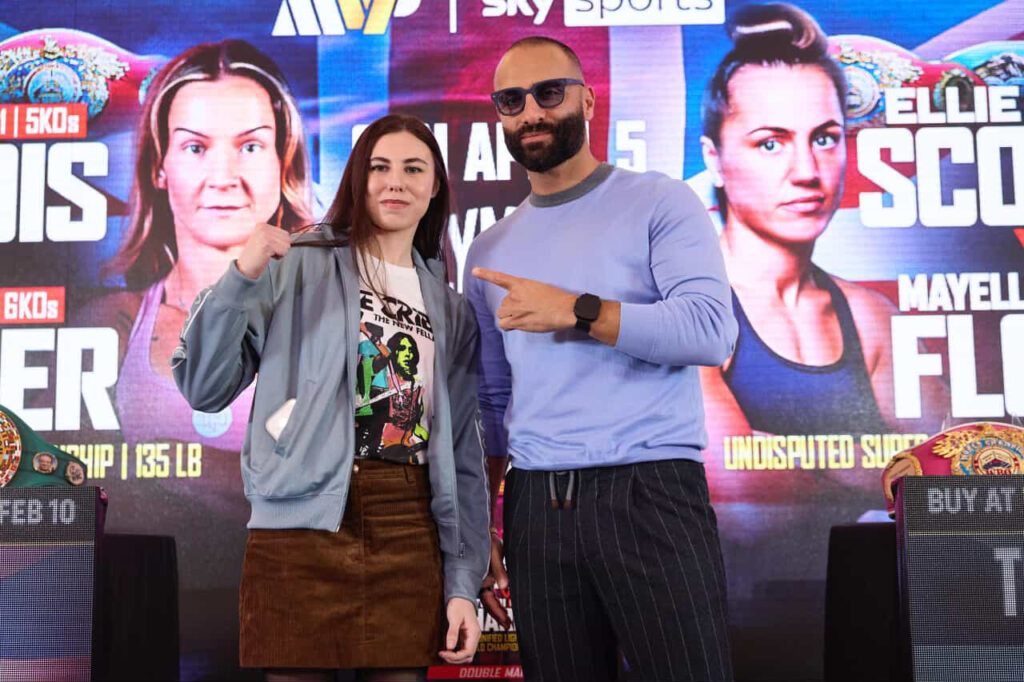
When your passion is your job, and it intersects with business, you go through a lot of mental turmoil.
GJ: We’ve recently become friends with Emma Dolan. It’s just been announced that she’s fighting for the IBF world title, and she was wearing a New Fellas t-shirt at the press conference. All boxers go through this stuff, but she was meant to have a title fight come off once and it didn’t happen. So we were exchanging voice messages about it. I’d be giving her the whole: these things happen, nothing is certain in these businesses, the same things have happened to The Cribs before. It was nice to be able to offer advice and insight, and we’ve ended up having a really good friendship. I’m really, really happy that she’s got the fight announced, and seeing that she’s representing The New Fellas at the press conference is so cool.
Selling A Vibe is out now on PIAS Recordings, and The Cribs tour the UK in March 2026.