
There are few gateway drugs as effective as the one-liner. All the opening sentence Ishmaels and electrocuted Rosenbergs, invisible men and exploding grandmothers that hook the reader and pull them in. Some have made their entire careers on the backs of such clever tricks and witticisms. Like any drug, there’s a cost. You can lose track of what matters, the real substance, or sustenance of things. Take a writer like Oscar Wilde, whose deepest work (De Profundis, The Ballad Of Reading Gaol, The Soul Of Man Under Socialism etc.) is often lost in a dazzling blizzard of quotes. Even the ever-expanding ever-constricting contemporary tyranny of algorithms only works because we are so distractible and impressionable to begin with. We’ve always been forgetting the best of ourselves, led astray from the needs by the wants.
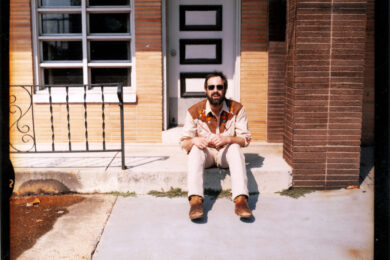
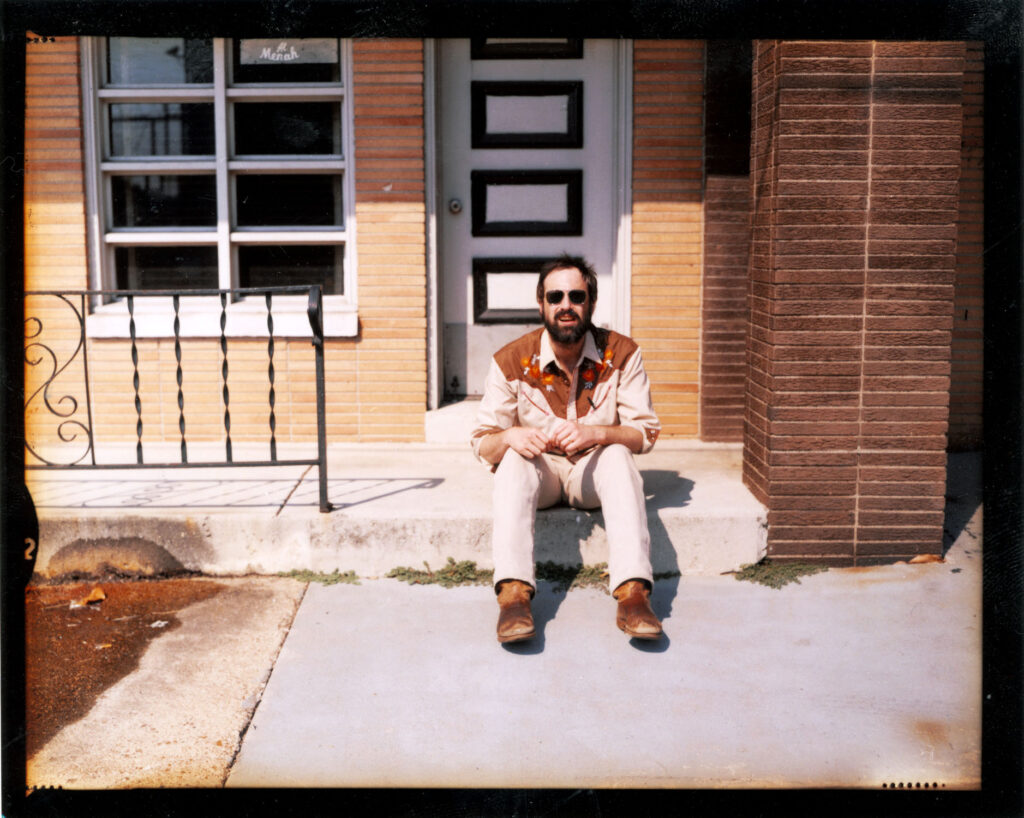
David Berman was blessed and cursed with a talent for the one-liner. He published one poetry collection in his lifetime, the truly exceptional Actual Air, but he remained a poet throughout his musical incarnations, Silver Jews and Purple Mountains. Though he does have ancestors in the New York School of Poets, his writing style was relatively unconventional, and chimed with the lo-fi slacker culture he first emerged into and (reluctantly) helped to create. His lyrics are full of reprobate (anti-)romance, “wandering down the back streets of the world”. They are throwaway in a sense that makes you wonder what was being thrown away. They are often melancholic, droll (“On the last day of your life, don’t forget to die”), deceptively simple, funny and modest, with a sense in the background of acute intelligence and curiosity that has somehow fallen in on itself under the weight of it all, left standing bemused and amused in the wreckage. Berman seemed to operate with the freedom of not believing he had an audience, even as a cult audience grew, and continues to grow. His definition of failure looks like anyone else’s success, hyperliterate to the point of re-emerging into humility. He wore it all lightly, or tried to. Throughout virtually all his work, there is a floating heaviness, like clouds that weigh a million pounds yet levitate high above streets that couldn’t give a shit so long as it doesn’t rain.
Sometimes the one-liners stretch into two, like, “The stars don’t shine upon us / We’re in the way of their light”. Sometimes, into a full verse, into an entire song. Sometimes the lyrics are earthy Dylan-esque character-driven farces – underground comix meets the Wild West – which hide more than they reveal. Sometimes they are downright toxic but still contain a levity within. At a time when the line, “You and I are gonna live forever” could be heard ubiquitously via the radio waves and in pub singalongs, it did the heart good to hear an artist proclaim, “The chimes of rabies are ringing again”. His songs are poetry found in unexpected times and places, full of observed vignettes, fragments of existence. A Texan-Virginian-New Jerseyan-Jewish version of kintsugi, pieced together from broken things and all the more beautiful for it. Dreamlike glimpses of people surviving the American Nightmare.
The music, easily passed over, forms the gold seams that bind. Too often alt-country means little more than guys with unearned beards, dressed as lumberjacks or sailors, playing indie music. Berman was closer to a Howe Gelb, taking the countriest elements and the westernist elements (with just a dash of Gram Parsons’ ‘cosmic American music’) and throwing them in the mix with all sorts of other influences from James Tate poems to cassettes by The Replacements. Such was Berman’s dedication to country. If there’s any justice, Tammy and George will be singing ‘We Could Be Looking for the Same Thing’ in the elevator of the afterlife.
Where to begin then with a rich but daunting back catalogue, from Silver Jews’ Starlite Walker (1994) to Purple Mountains (2019)? The following selection is one of those that will alter in five minutes, with a change of mood or another shuffle of the deck.
Silver Jews – ‘Random Rules’ from American Water (1998)

No one said the deck wasn’t rigged or the dealer wasn’t allowed some sleight of hand. The most well-known and beloved of Silver Jews songs, largely due to its opening line, which is a peach, “In 1984, I was hospitalized for approaching perfection”. There’s a pseudo-meme of Captain America crying and staring whimsically into the distance, with the message, “White people when they first hear that he was ‘hospitalized for approaching perfection”. History does not record how the superhero felt about the subsequent line, “Slowly screwing my way across Europe, they had to make a correction”.
The song is barfly-clever and characteristically self-effacing, “I know that a lot of what I say has been lifted off of men’s room walls”. A line that is followed by a devastatingly candid passage, “But nothing can change the fact that we used to share a bed / And that’s why it scared me so when you turned to me and said […] Boy, you look like someone I used to know”. As so often happens in his songs, Berman’s nonchalant lines turn out to be existential, discarded doodles which in turn are revealed to be the Dead Sea Scrolls. If there’s one moment in his discography that shows the brilliance and bastardy of what he was able to do, it’s this.
Silver Jews – ‘Advice to the Graduate’, from Starlite Walker (1994)
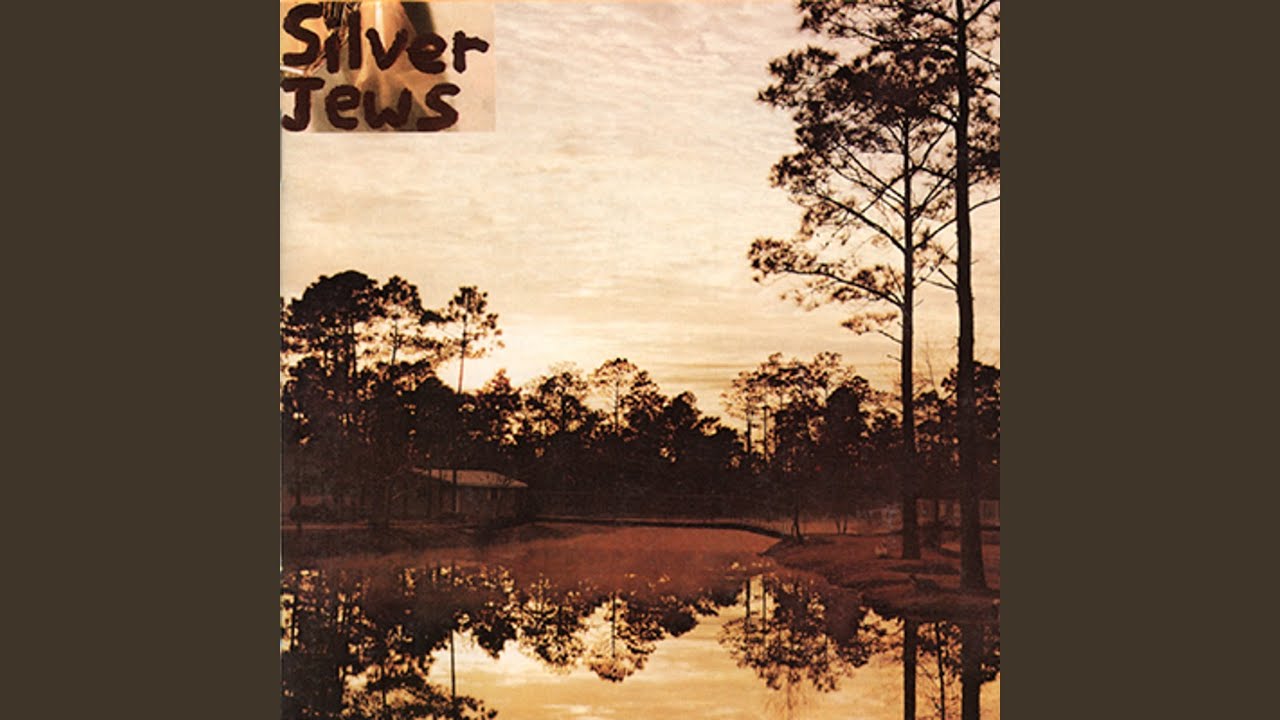
The Pavement is strong with this one. ‘Advice To The Graduate’ is an example of the porous border between the two bands, with university pals (and fellow employees of the Whitney Clip-On Tie) Stephen Malkmus and Bob Nastanovich being at times members of both. Malkmus chimes in here with a gorgeously open-hearted “Well, I know you got a lot of hope for the new men”, all the more gorgeous because of Pavement’s ironic detachment and too cool for school schtick. Less country and more lo-fi, the track could have fitted on their Crooked Rain, Crooked Rain album of the same year, except for Berman’s presence and worldview being so palpable, from the actual good advice, “Your third drink will lead you astray”, to the post-Romantic, “So you’ve got no friends and you wander through the night / And now you watch the sunrise through a rifle-sight”.
Silver Jews – ‘Trains Across the Sea’, from Starlite Walker (1994)
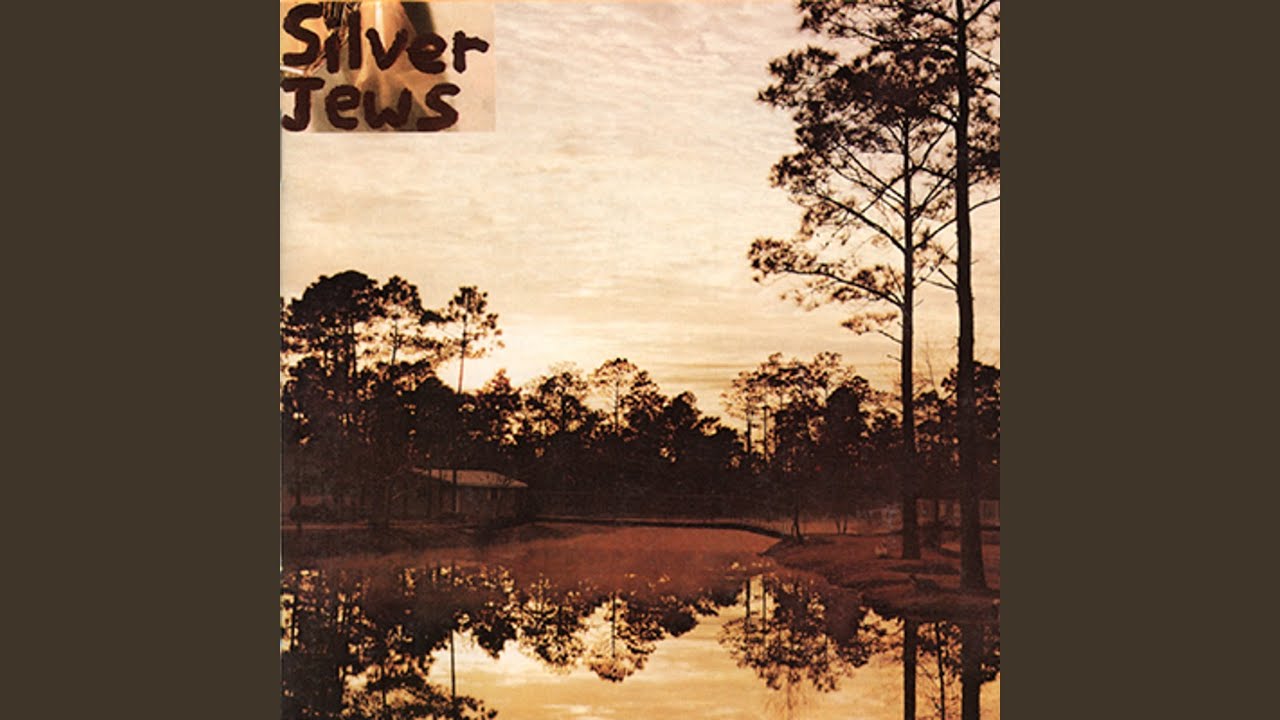
There’s a cinematic quality to a lot of Berman’s music and no more so than here. Each listen calls up the opening credits of an unmade film, different every time but always in motion, collage, Super 8: “Troubles, no troubles on the line”. The story goes this was the first song Berman wrote, while studying for an MFA. Resistant to the word ‘I’, Berman was still a documentarian of his own life, with Shady Sides, for example, being a real lady he knew in Charlottesville. A fairly stunning unrhymed couplet (“Sin and gravity drag me down to sleep / To dream of trains across the sea”) is surpassed by the closing, “In 27 years / I’ve drunk fifty thousand beers and they just / Wash against me like the sea into a pier”. Hearing this in the year you began your own deluge, it was easy to misjudge the song entirely and take it as a swaggering boast rather than a hard-worn bittersweet admission of what the tides and waves do to even the sturdiest of structures. Like all great songs, it changes as you do, from a brag to a self-inflicted lament to something stranger and further beyond both.
Silver Jews – ‘The Wild Kindness’, from American Water (1998)
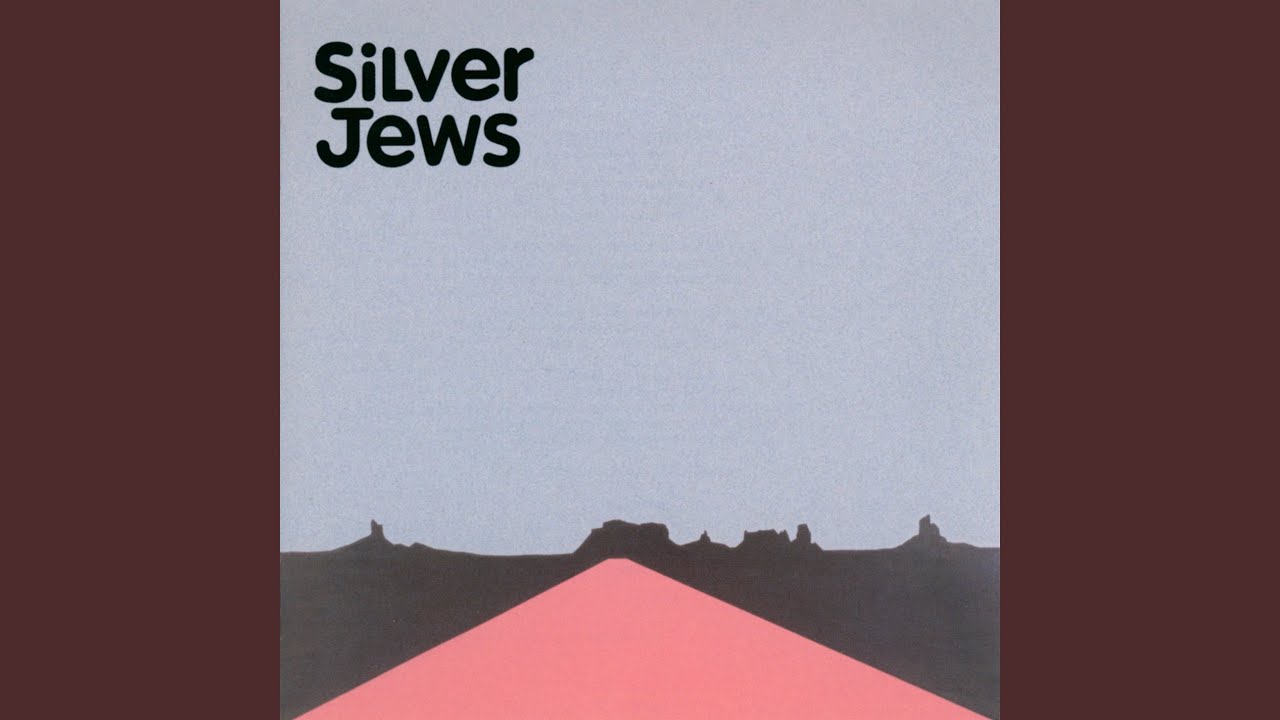
The puzzle-like quality to Berman’s lyrics is another example of his quiet dedication to poetry. Sonically, this song is closer to the lo-fi Americana of the time (Grandaddy, say) than country. Lyrically, it has echoes of the days working at the Whitney, “Oil paintings of X-rated picnics / Behind the walls of medication I’m free”. The painting in question – Manet’s Le Déjeuner sur l’herbe (1863) – is displayed at the Musée d’Orsay but it shows his hoarder’s impulse. Again, the song is a collection of fractured moments and observations, held together by the seams of deeper thoughts, from, “I’m perfect in an empty room”, to, “let forever be delayed”. If Berman never quite trusted his own alchemy, others did; an Emily Dickinson-inspired doodle he sketched for Malkmus at the time of the Whitney job provided the title for Pavement’s Slanted And Enchanted album. There was a magic in what he may have simply thought as mundane.
Silver Jews – ‘Suffering Jukebox’, from Lookout Mountain, Lookout Sea (2008)
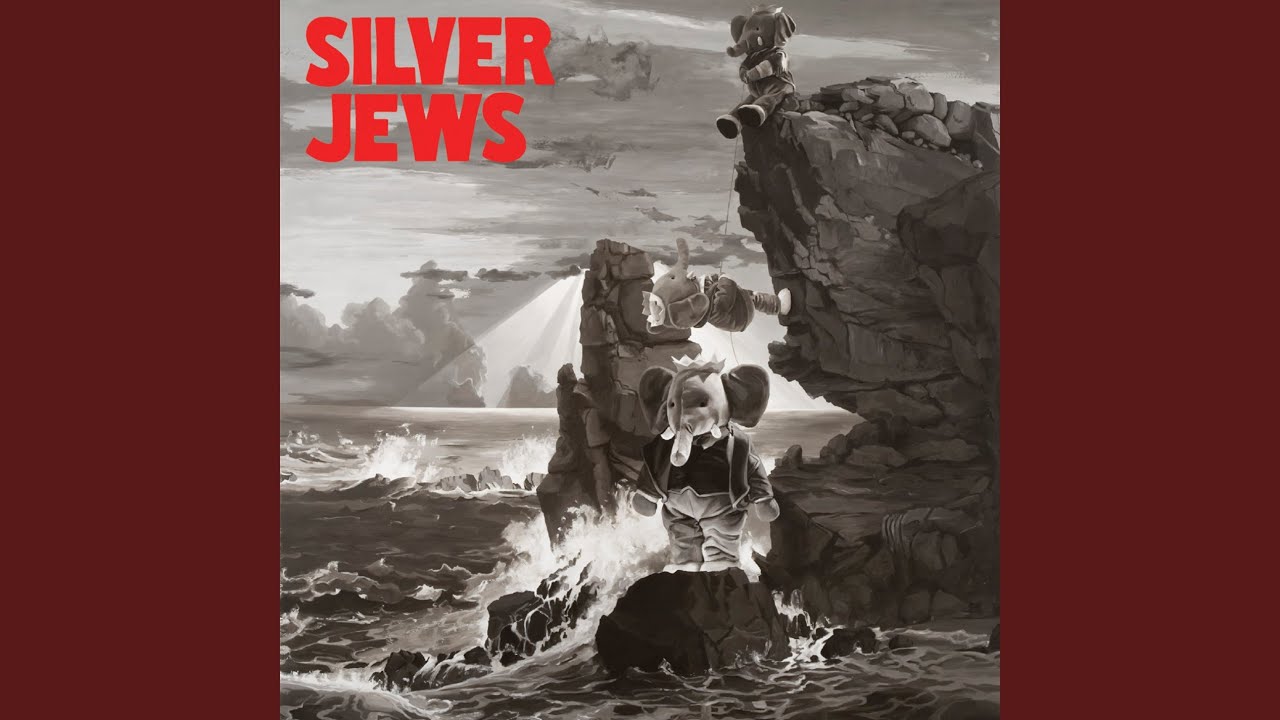
Though it was recorded many years later, this feels like the older wiser brother to Pavement’s snotty but, admittedly, funny/charming ‘Range Life’. Pavement regularly sounded like their songs were about to fall apart. With Silver Jews, it sometimes sounded like the performer was going to. It was possible to believe both were an act. Even at his most fucked-up – the song ‘K-Hole’ (from Tanglewood Numbers, 2005) for example – Berman’s work had inventiveness, buoyancy and a sly humour, like his idea to start a band called ‘Trad. Arr’ in order to get free advertising and annoy music purists/snobs who’d be forced to see his band’s name everywhere in their collections. Maybe it was the listener falling apart and that’s why the music appealed and seemed to help. It was not just recognition but stitching. By the time of the release of Purple Mountains and his last recorded interview, it didn’t feel, heartbreakingly it must be said, like the music was enough anymore but maybe it was all that was left.
Silver Jews – ‘Pet Politics’, from The Natural Bridge (1996)
To adequately convey the big, the only way is to go small. In this case, mortality and Southern existentialism told through the death of a pet. The images are strong – “the rain turns the ditches to mirrors”, “She was shivering so hard / It looked like there were two of her” and so on. The lines between lyrics, poetry and short story blurring, “I could see through the sleeve of her blouse / The plans of her architect lover / A tattoo of a boarded-up house / An ink door that belonged to another”. A sterling example of a song as a book, made of invisible vibrations in the air rather than strange shapes on a page.
Silver Jews – ‘San Francisco, B.C.’, from Lookout Mountain, Lookout Sea (2008)
The best of Berman’s acquired taste farces, it’s lyrically and musically sharp with digs at hipsters, the self and society (“Romance is the douche of the bourgeoisie”) but also as goofy as country can get. Another, lighter, side to an artist who does not belong to the shadows.
David Berman – ‘Snow’, from Actual Air (1999)

I’ve never seen a physical copy of this book, although you can buy it now from Drag City. A paperback used to set you back a hundred quid. We passed the PDF around like samizdat. Ever the expert at the opening gambit, everyone I ever sent it to was floored by Berman’s opening poem. Try it and see.
It wasn’t all Berman wrote, and not just in terms of lyrics. He wrote a long poem that, to my knowledge, remains unpublished but not unspoken. ‘David Berman Speaks (Part 1)’ contains the line “There is no leisure with dignity in an unfinished world”, which is enough to convince any passing ghost that it is worth listening to. In the past, and in different cultures, there is or was no differentiation between poetry and music. To separate these creations of rhythm and verse was to unwind intricate weaving for no good purpose other than to simply separate and categorise. There are secrets to be found in this collection, secrets and wonders and doubts, telepathies, reliquaries, metaphysical bullshit and landfill transcendence. The fact that this pdf exists, on an obscure corner of the cursed internet, is a sign that even in the online Inferno the debris of beauty survives.
Referenced artists
Pavement
To Chop And Change: Pavement’s Wowee Zowee 30 Years On
Will Oldham
Bromance Is Dead: Male Failure In Humpday And Old Joy

Grandaddy
A Is For Alienation: Jason Lytle Of Grandaddy Interviewed
Oscar Wilde
Utopia, Warts & All: Jack Parlett’s History of Fire Island

The Avalanches
The Avalanches
The Avalanches & David Berman – ‘A Cowboy Overflow Of The Heart’ (2012)
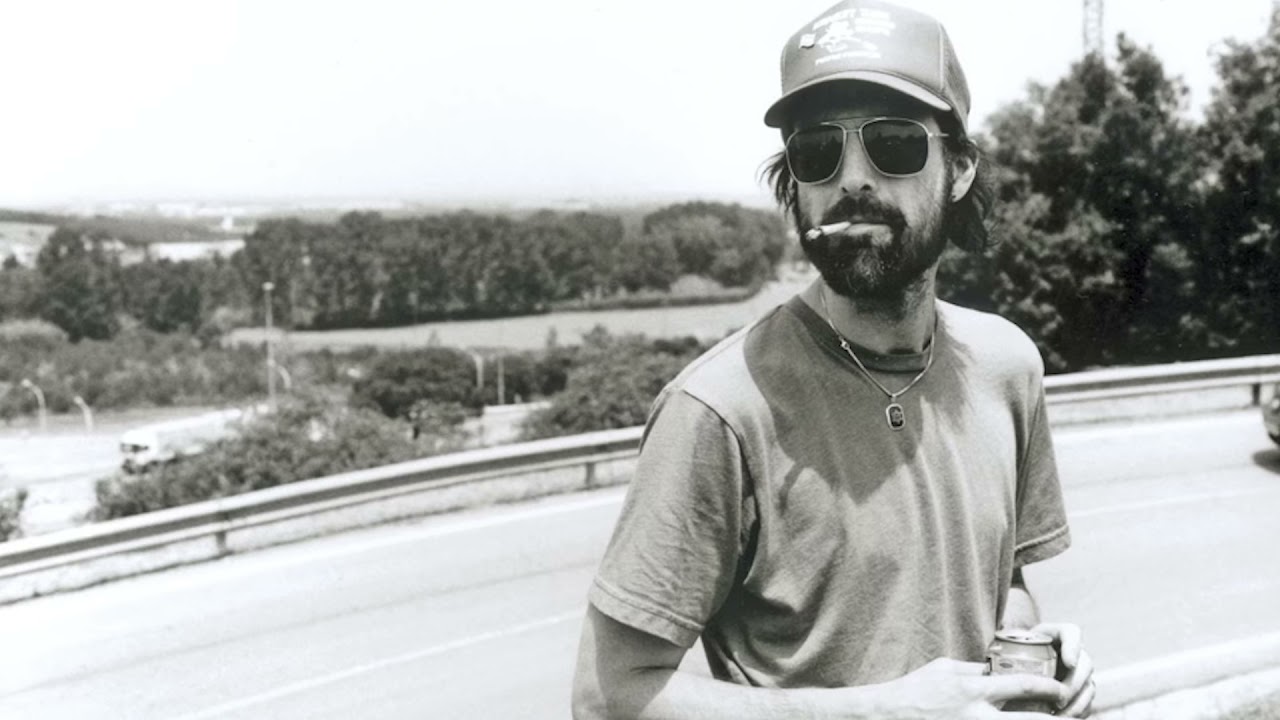
At this point, we are at the point of complete immersion. Wade in. Have a swim. Try not to drown. This demo seems to have been the first material released by The Avalanches for a decade, which was a relatively brave and noble act, showing an admirable depth. To cut it all down into memorable lines, which by now are every second or third line for Berman, would be an act of dissection. We are way beyond witty quotes and into the deep and murky waters where one might find all manner of thing or lose oneself entirely.
Purple Mountains – ‘Nights That Won’t Happen’, from Purple Mountains (2019)
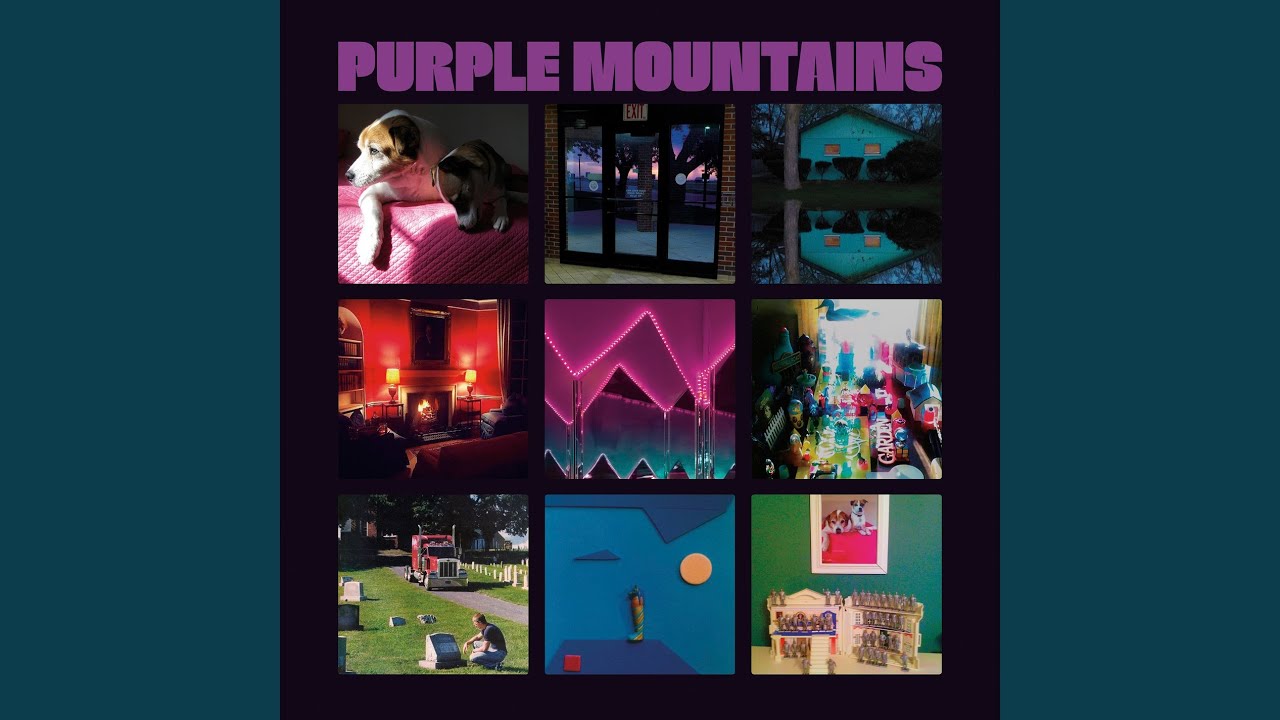
Clues are there if you want to find them. I didn’t want to, and they were there anyway. A partial reckoning with Berman’s troubled relationship with his father, ‘How To Rent A Room’ (The Natural Bridge, 1996) is full of heart but also ill portents. Berman hid it all well though, graciously so, for all but him. The darkest track (‘That’s Just The Way That I Feel’) on his comeback after a decade-long troubled hiatus, came in the form of a jaunty honky-tonk tune with hilariously bawdy lyrics (“I met failure in Australia / I fell ill in Illinois / I nearly lost my genitalia / To an anthill in Des Moines”) but with a truly brutal oblivion-driven subtext. It was a cruel comeback in a way but a grateful one too. There is a sprightly energy that belies the bleakness of the lyrics (‘Darkness And Cold’, ‘Margaritas At The Mall’ etc). The atmosphere is different, and it’s hard to place how. Silver Jews, before he folded the project, had a fairly consistent palette and Purple Mountains sounded and felt like it came from a different place. Alongside this divergent musical quality, there was something about the timbre of Berman’s voice, lower now, a slight slur and tremor that I’d grown to fear when I heard it in those I was close to who were drowning on land. It does not take away at all from what is an album that is at least as much a triumph as a tragedy, but it adds a patina to it. When Berman sings of the dead here though, there is an eerie contingency. Within a month, he’d be forever among their number, leaving the album as a kind gift he would not live to unpack.
There’s a moment Oscar Wilde wrote of where, in the midst of ruin and disgrace, his friend the artist Robbie Ross tipped his hat to him in respect. “Men have gone to heaven for less,” Wilde wrote, when almost everyone else had abandoned him. I’ve no idea where Berman has gone now. Nowhere. Everywhere. In Berman’s world, heaven might be a shopping mall filled with birds or somewhere where you lived your life over again endlessly or a blossoming desert or an infinite city or blissful oblivion, like the time before birth. Who’s to know? “I asked the painter why the roads are colored black” Berman wrote and sang, “He said, ‘Steve, it’s because people leave / And no highway will bring them back'”.
Sometimes the one-liner is all there is. The act of kindness, the drink on the house, a passing observation, a fleeting companion, a line that Berman was said to have scrawled on a wall that went on to birth a fine song (Will Oldham’s ‘Apocalypse, No!’ Apocolypse, No!), a doodle on a notepad. Nothing is a hard thing to cling onto. The somethings, however small, are vital, maybe all there ultimately is. What is left behind, when someone dies unfinished at 52 as Berman did, are fragments for others to pick through, debris of something impossible to capture, shiny sunken things in the swamp, and (tragedy aside) what treasure and generosity when they, these ragged tickets to the great heart of the world, are left behind to be found like this.