
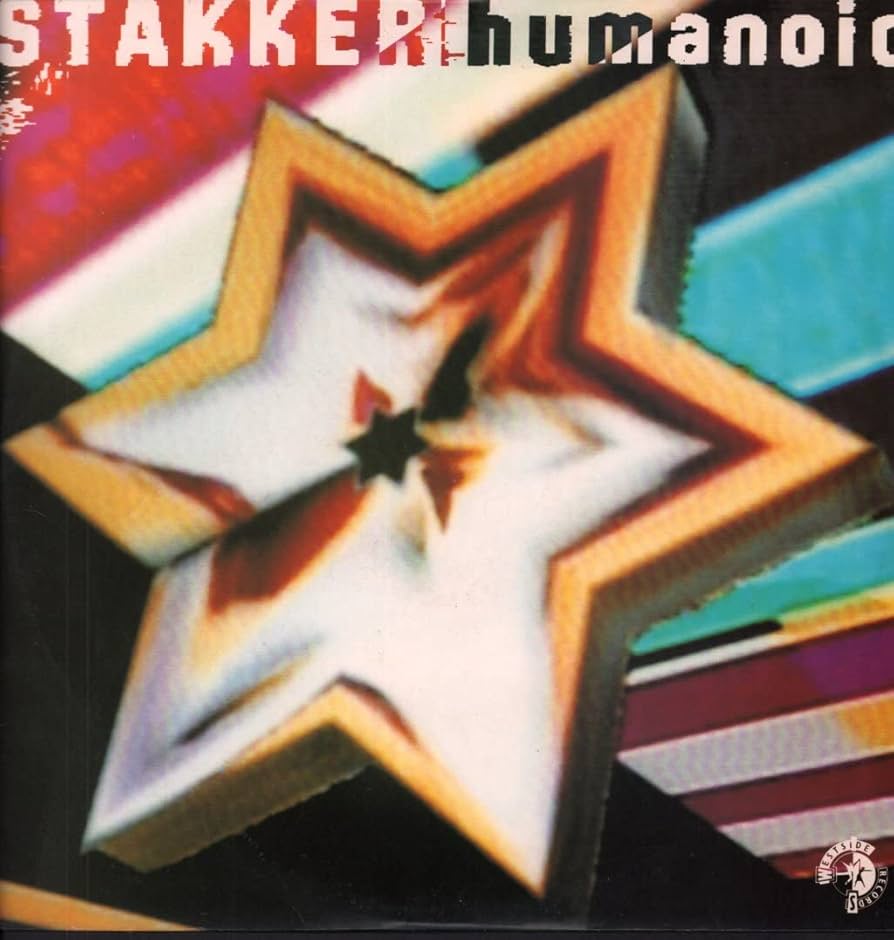
12. HumanoidStakker Humanoid
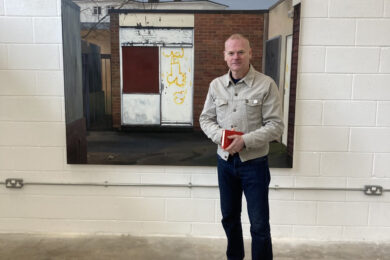
After leaving university in 1989, when ‘Humanoid’ came out, I worked at Charing Cross Hospital. I had a job making videos in their medical school. I was filming childbirth, gender reassignment and open-heart surgery. It made art seem superfluous. It was serious work; you couldn’t have an arty fogginess. We had two cameras, a tripod, a lot of mental focus. And then I had to learn how to edit, making a narrative of what I’d just filmed. You’d have six hours of footage, and the surgeon would say, ‘can we get this down to 15 minutes?’ It was shown to the students or taken to conferences. I was conscious that what I was doing was part and parcel of art history. Artists have always worked with medics, because medicine is about witness. The word autopsy means I was there; I saw this. As an artist, you’re the person visualizing the medics’ procedures and discoveries.
About 18 months later I returned to Sheffield and became obsessed with looking at old masters’ paintings of corpses. For a while I taught at a special school in Nottingham, and then painted in the afternoon, or every evening. I was working in a studio completely separated off from the contemporary art world. And I wanted to get some figures into my work. I invented these naked homunculi that were hanging around the chip shop and the newsagents from back home, carrying shopping bags and then getting lost at sea, or flying in the air. They all looked like Beryl Cook.