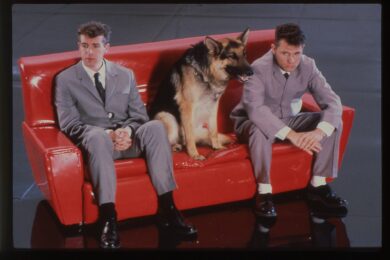

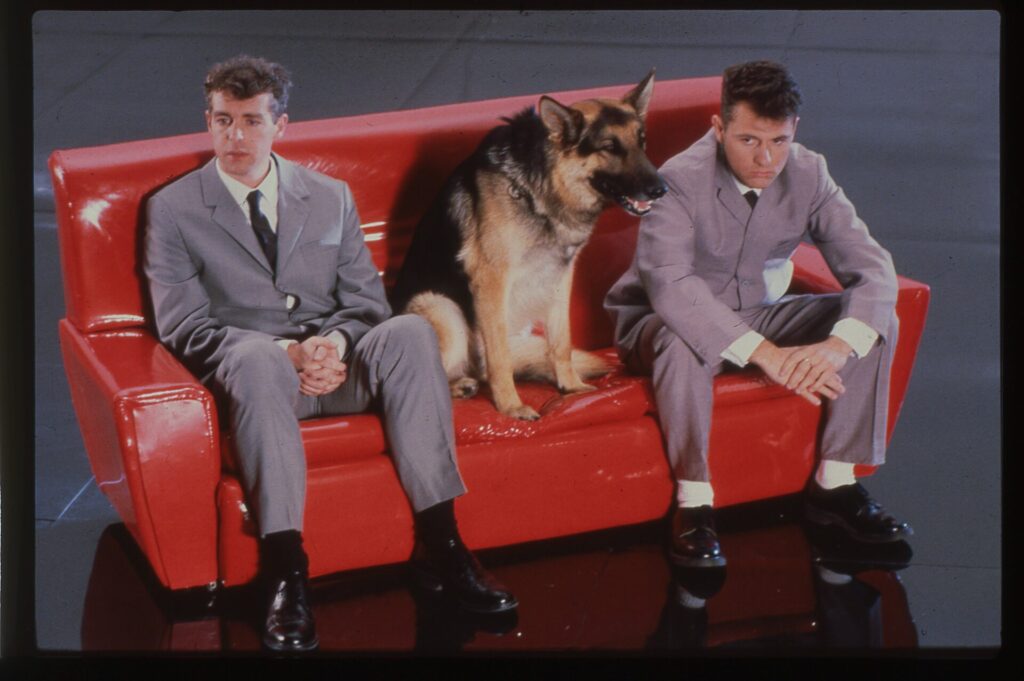
I’m sat on the floor behind my dad’s armchair, chunky headphones on, listening to a new 12” my brother has bought. Our music centre lives in a compartment on an MFI divider unit, beside my parents’ collection of records, cassettes and videotapes. It’s December 1985, and while outside is the low-energy sprawl of a Croydon council estate and the bleak winter trees of the green belt, in my head there’s the sexy and desolate sound of the city.
A hard, snapping drum pattern, a synth choir droning ominously, nagging rhythms and drifting sequences, that bassy, squelchy riff. The lyrics, when they come, narrate a city where no-one knows your name, and people have no future – or past. They’re relayed with a world-weary tone that by the end is like a ghost disappearing into smoky nightclubs and around dangerous corners, leaving behind a memory of blinking neon and threatening shadows. I flip to the B-side, a relatively raw-sounding electro track, where among the staccato bleeps there’s broken glass glittering across city sidewalks and men risk being arrested. From down here, on the worn flowery carpet behind the tapestry armchair, it feels impossibly sophisticated. More than that, to this 15-year-old gay kid it’s an invocation to flee to London, to find my tribe, and experience the transgressive underside of the city for myself.
I lived in a suburb on the very edge of London, far away from Soho’s Piano Bar or the Waterloo WHSmith glimpsed in the video to ‘West End Girls’. I was a lonely boy at the back of the garden. There weren’t out gay people or role models in my white working class neighbourhood, just an expectation that you would be the same as everyone else, and fit in – or else. I would eventually identify some queer spaces in the town: the cruising ground next to my A-level college; the straight-run gay pub; and, when I moved to South Croydon, my trans neighbour’s flat. But I always felt at the edge of things. And so the romance of the city was always there, a yearning to escape and find myself, and others like me. Not that I was convinced there were others like me, because I very much identified as a loner. Suburbia is good at making those.
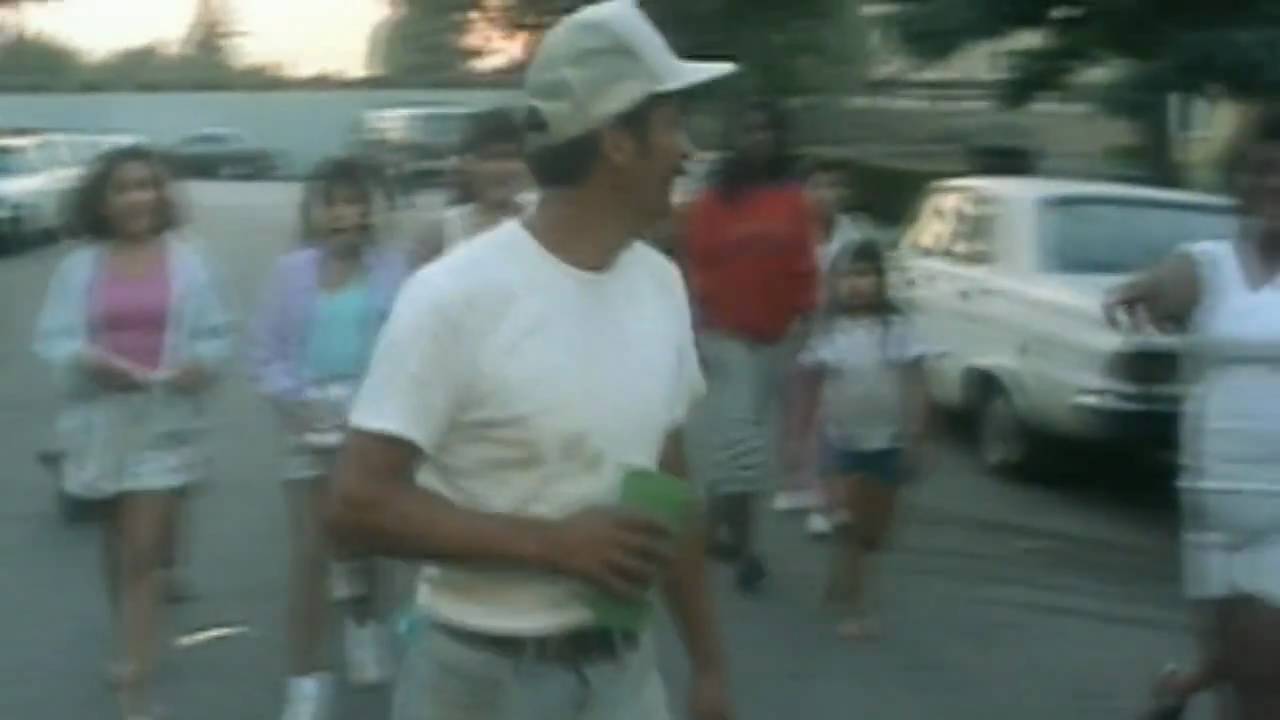
Back then sitcoms populated these houses with grown-up stereotypes, while pop helped kids like me to orientate and discover ourselves. Pet Shop Boys would brand this place with a song. ‘Suburbia’ references graffiti, gangs and police cars, rather than raffia, coffee mornings and hatchbacks. The 1983 film that inspired it, Penelope Spheeris’s thriller Suburbia, depicts L.A. punks living in a squat, threatened by a vigilante group called Citizens Against Crime that hunts them down, assaults them and shoots stray dogs dead in the street. The epic 12” mix of the song, ‘The Full Horror’, is apocalyptic, ending in an orgy of obliteration as it goes full-scale friendly-bombs-falling-on-Slough. At the time I wasn’t sure if I hated where I grew up or not, but the imagined destruction felt exhilarating. All these years later the real devastation that’s been enacted in suburbia has come from inside, not least the renovators creating frowning grey McMansions where once camp mock-Tudor stood. Suburban homes have been made to try and look tough and edgy, but instead feel like roided up gym-bros screaming at an elderly spin class.
The suburbs have long been a fertile subject for pop, from the gleaming Warholian Americana of ‘Little Boxes’ and ‘Pleasant Valley Sunday’ to the grubbier English irony of the Small Faces and the Kinks, agog at images of conventionality, repetition and lumbago. By the time Pet Shop Boys are emerging these pop visions have grown darker. Bronski Beat’s ‘Smalltown Boy’ is so affecting because it captures the loneliness and isolation of life for a gay youth out in the provinces, desperate for escape. The Jam and The Smiths evoke violence and despair in Woking and Whalley Range, while Everything But the Girl’s ‘Hatfield 1980’ is full of underpasses and knives. Suede and Pulp continue to imbue the suburbs with a glowering power, like cut-up David Peace novels. On the pop fringes It’s Immaterial’s album Song tells sad tales of supermarket checkout girls and ring roads, while Frazier Chorus’s domestic black comedies ‘Dream Kitchen’ and ‘Living Room’ are filled with references to Shake ‘n’ Vac and death. When Fever Ray sings “we talk about love, we talk about dishwasher tablets” I am there.
All of these have helped create a mental map of where I’ve lived, to unravel the secrets behind the privet. ‘Suburbia’ isn’t the Pets’ only venture to the land of crescents and cul-de-sacs, of course. Think of the back garden in ‘Left To My Own Devices’; the teenager stomping up the stairs in ‘The End Of The World’; the school days hell of ‘Can You Forgive Her?’; the melancholy collision of worlds in ‘Your Funny Uncle’. These songs fizz with observational comedy or pathos, told by outsiders keeping the suburbs at a distance rather than running with the dogs.
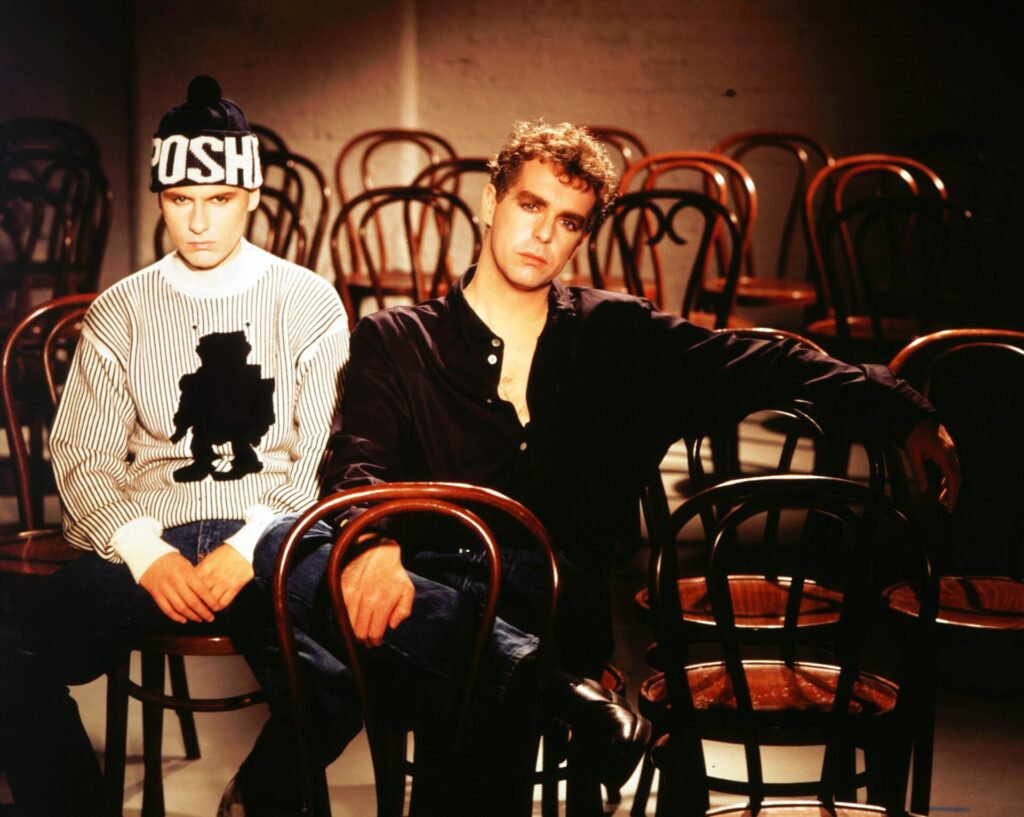
The band’s name, of course, is very small town high street, pet shops being relatably ordinary in 1985 when breakthrough acts were called grandiose things like Animotion or Big Sound Authority. It didn’t just make them sound like low status outsiders in a chart rundown, it also put them at odds with the glamour and thrill of those West End girls, colliding sequins and perfume with sawdust and a faint whiff of Trill. And so it caught them forever somewhere between the city and the outskirts. I recall the surprise of recognising the station announcement for a train to Epsom Downs sampled on ‘Two Divided By Zero’. It felt like a tangible, if lame, sense of connection to pop life. I guessed they were unlikely to write a song called ‘West Croydon’ or ‘Purley Oaks’, so this would have to do.
But despite all that, the world Pet Shop Boys evoked to me back then was less kitchen sink drama, more film noir, the sort of thing I’d watch on TV on a Saturday afternoon – except I knew they weren’t writing about gangsters. This was a gay underworld, an unspoken and largely invisible one to many before the advent of the 90s ‘pink pound’ and gay villages. I’d later find the gay noir that populates their early songs in books written a generation before. Novels like John Rechy’s City Of Night from 1963, following a hustler drifting across the U.S. and the clients he meets. Sat on our 80s Draylon sofa it seemed a mythical and distant world to me, but one that still held a dangerous romantic potency.
80s Pet Shop Boys songs are full of intrigue and shadows: whether the anonymous city in ‘One More Chance’, with its hard-boiled atmosphere of strangers in overcoats walking in the rain; or the streets in ‘I’m Not Scared’ teeming with actors. Cities of night, both. Interestingly, neither song makes it into Tennant’s lyrics book. Perhaps he’s disowned this aspect of his songwriting? I hope not, they’re both magnificent. Derek Jarman’s grainy video for ‘Rent’ sees Lowe skulking through Kings Cross among the homeless people and sex workers. ‘Kings Cross’ itself is a state of the nation drama, uncomfortably released only weeks before that station’s devastating fire, forever imbuing it with a different kind of darkness than the one intended. But they also portray the thrill of the city, the fast pace, the relentless rhythms, produced with the latest fashions and tech.
![Pet Shop Boys - Rent (Official Video) [HD Upgrade]](https://thequietus.com/app/cache/flying-press/3b8f997ee96a57dccf38564d00fc5a62.jpg)
Tennant’s lyrics were certainly more elusive on those first few albums before he came out. Take ‘Two Divided By Zero’ about a couple fleeing to New York pursued by rumours – of what? We have to guess. In their film It Couldn’t Happen Here they’re shot up by a biplane as it plays, situating it squarely as Hitchcock homage. In early Pet Shop Boys songs this sort of thing is to be expected when you come out. It’s all very dramatic, being betrayed and, when pushed into corners, screaming it’s perhaps better to act like a Cold War spy in your trench coat, living in the shadows, never declaring yourself. The romantic thrill of it (compared to the sometimes more prosaic realities of coming out) certainly turned my head in my box room. The ambiguity of their identities in the 80s perhaps made it easier to sell their music in a time of the HIV-AIDS crisis and Clause 28. While recognising this, many queer fans might also decry the band’s reticence, how they hung back in our hour of need.
Most Pet Shop Boys albums contain at least one song about taking flight to the city. While the most famous is ‘Being Boring’, 2025’s ‘New London Boy’ is the most recent. It fleshes out Tennant’s arrival in London in 1972, pursued by an identity crisis and surrounded by glam, androgyny and skinheads. But it feels journalistic rather than stylised, a different way of observing the urban scene. It’s part of a trend of their city songs feeling more naturalistic, less paranoid. 1997’s ‘The View From Your Balcony’, about Tennant’s boyfriend in his council tower block in Bermondsey, is full of romantic sunsets and wine. And 2016’s ‘The Pop Kids’ captures a sense of expectation and wonder, immersed in nostalgia for 90s clubland, pop music and self actualisation. Okay, it being Pet Shop Boys, a downbeat note of lost friendship gives the song a yearning quality that choked up this middle aged listener, but you get the point. They love the city. And the city, well, does it love them back?
I always felt you were more likely to hear them being played in shopping malls, bowling alleys and ice rinks than city clubs. I once saw performance artist David Hoyle skate to ‘Left To My Own Devices’ at Streatham Ice Rink as part of his career-defining show The Divine David On Ice. And just the other day while watching a 1996 episode of Dalziel And Pascoe (ask your nan), I heard ‘West End Girls’ playing in the bar of a Yorkshire rugby club. Total prop forward bop. A song about a time and a place, out of place and time. Or perhaps that was always to be its fate, to speak of urban cool out in the suburbs, to be our gateway drug to a world of dive bars and lowlifes.
If by the 90s their beloved dark, paranoid urban fantasies made way for something more realistic, the songs they covered took us instead to fantastical sunlit uplands. ‘Where The Streets Have No Name’! ‘Go West’! ‘Somewhere’! Here’s Chris Lowe pushing the band ever further into magical worlds of optimism, freedom and transformation. It’s a far cry from the rain-soaked streets of the city, not to mention suburban trolley parks in Tesco. And it’s another irresistible, fantastic flight from our hum-drum lives.

As a suburban gay kid, so much of life felt like having to learn to encode and decode, to watch for any anomalies in the way people were behaving, in case that offered a clue to escape or liberation. And so to a boy playing a long game, their encoded 80s songs were just the thing, suggesting lines of escape and hope. These days, after a few decades in London, I live back out in the suburbs (Milton Keynes, actually) and it feels so different from how it did in the days when I wished for nothing more than complete invisibility. While not exactly a gay neighbourhood there are gay neighbours, and the suburbs feel more connected to the rest of life, thanks I guess to apps as much as equal marriage. But comparing those days and places has taken me to exploring other areas of queer suburbia too – and writing a book on it. Tales Of The Suburbs: LGBTQ+ Lives Behind Net Curtains led me both into archives, investigating the elusive trails of queer suburban history, and also to interview dozens of people about their experiences. The stories that turned up were full of surprises: the queer origins of both the suburban semi and its garden; Pride windows in 70s shopping centres; Quentin Crisp in the Home Counties; gay dads in Taunton; trans pioneers in Plymouth and Croydon; Basingstoke gay goths; unexpected queer life in Surbiton, Wilmslow and Penge. For me it’s brought up all sorts of strange memories and feelings that I’ve long suppressed, like the rush of hearing a song from my youth. And looking back so intensely at the suburbia of my adolescence has meant stepping back into a defensive and sometimes violent world, a place and time where I hid who I was. Into those Pet Shop Boys shadows.
One of the things that people kept coming back to when I spoke to them was the idea of visibility. Today that might seem essential for any LGBTQ+ person, but it can be double edged. People talked about the surveillance of the suburbs, from gossip and Neighbourhood Watch to CCTV and Ring doorbells, where the empowering idea of ‘being seen’ is turned instead to ‘being watched’. And how sometimes for all of the positivity around visibility it can occasionally be helpful to disappear into anonymity when you feel vulnerable or exposed. For LGBTQ+ people there can be a lot of ambiguity around our sense of identity, especially when we are trying to work out who we are as teenagers, and so feeling that slipperiness reflected back in culture can sometimes really help. For me, this is where Pet Shop Boys really caught me in that moment, with songs of the city that were ambiguous and indefinite, beckoning me to a world that was both more exciting and more accepting. Being hidden and being seen. Into the shadows, maybe. But also, into the neon-lit night.
John Grindrod’s Tales of the Suburbs: LGBTQ+ Lives Behind Net Curtains is available from Faber, find out more here. He is in conversation with tQ’s Luke Turner at Foyles, London on 11 March 2026; tickets here. Pet Shop Boys’ Volume, a visual history of the duo, is released in April, find out more about that here.